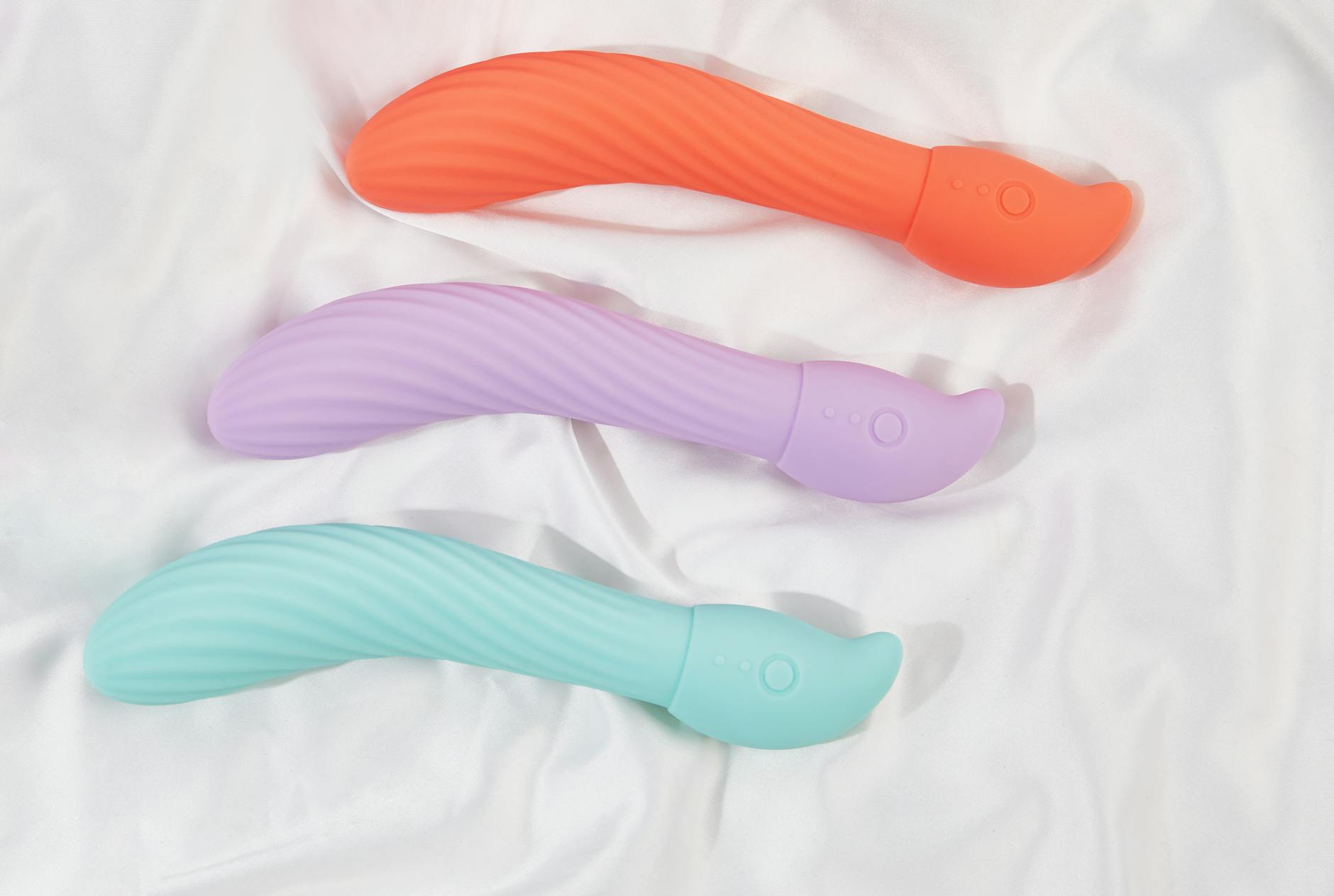
Here's the thing about breakups and pleasure
After a relationship ends, your body doesn't automatically reset. Your nervous system is in flux. Trust feels risky. And the idea of touching yourself for pleasure can feel weirdly complicated, even though it shouldn't be. This is one of those spaces where lemon clitoral vibrators actually shine. Not because they're magical, but because they're designed to work with your nervous system rather than against it.
I work with people navigating relationship transitions all the time. The pattern is predictable. First comes the numbness phase. Then comes anger or relief. And then, somewhere in the middle, comes this quiet moment where you realize you've stopped listening to your own body entirely. Lemon vibrators are a practical tool for reversing that disconnection.
Why breakups mess with your pleasure response
When a significant relationship ends, your body carries the memory of that intimacy. That's not poetic. That's neurobiology. Your nervous system learned patterns in the context of that partnership. Your touch receptors, your pleasure pathways, your sense of safety during vulnerability. All of it was calibrated for someone else's presence.
Then suddenly, that presence is gone. Your body hasn't updated the code. So when you try to access pleasure solo, there's a lag. A hesitation. Sometimes actual numbness.
Additionally, breakups often trigger a cascade of smaller betrayals in your mind. Maybe your partner made you feel unwanted. Maybe the sex became transactional or disappeared entirely. Maybe you've internalized the message that your desire is too much, too weird, or not important. All of that lives in your body. It's not something you can think your way out of alone.
This is where a lemon clitoral vibrator becomes unexpectedly useful. Here's why. These devices offer consistent, predictable stimulation that you 100% control. No negotiation. No performance anxiety. No question about whether you're taking too long or being too loud. Just a clear sensory input and a clear outcome. For a nervous system that's been destabilized, that's grounding.
The reset phase. Start low, stay patient
The first rule after a breakup is don't expect the same response you used to have. Your body is different now. Your mind is different. Chasing the old sensation is like trying to fit into a dress from five years ago. Sometimes it fits. Usually it doesn't. And forcing it just leaves you frustrated.
Instead, treat this like introducing yourself to your body again. For the first week or two, use your lemon clitoral vibrator on the lowest setting. This is not a test of endurance. The point is sensation exploration, not climax. Run it across different areas of your vulva. Notice what feels surprising. What feels numb. What feels good in a new way.
Many people report that their clitoral sensitivity shifts after a breakup, especially if the relationship involved a lot of stimulation or very little. You're recalibrating. That takes time.
Set a boundary on how long you spend on this. Twenty minutes max, no pressure to finish. If nothing happens, that's data, not failure. Your body is telling you something about where you are. Listen.
Building trust back into pleasure
Here's something most breakup advice skips: pleasure is an act of self-trust. When you make yourself come, you're saying to your body, "I believe you know what you need, and I'm going to give it to you." That's a huge deal when someone else just violated that trust, or when you've spent years people-pleasing instead of listening to yourself.
Using a lemon vibrator becomes a micro-practice in trustworthiness. Every time you use it, you're proving to your nervous system that this is safe space, under your control, with a predictable outcome. That's not small.
The second week, increase your exploration. Try different intensities. Use it for longer. See if you can build arousal without the pressure of orgasm being the goal. Some people find that this practice alone rewires how they relate to pleasure. They slow down. They get curious instead of goal-focused. And weirdly, that makes orgasms more accessible later.
When pleasure returns faster than expected
Some people go through the entire reset phase and find that their pleasure response bounces back quickly. They orgasm, sometimes intensely, and feel surprised at how present they are. That's great. It's also not a sign you're emotionally ready to date again. Pleasure and emotional safety are different systems.
Use this phase to notice what you actually like, separate from what you thought you were supposed to like. When you were in your last relationship, there might have been pressure (internal or external) to perform certain desires. Or there might have been parts of yourself you dimmed because they didn't fit. Breakups are a chance to excavate that.
For some people, that means discovering that lemon vibrators and suction-style clitoral stimulation is exactly what their body has been asking for. For others, it means realizing they wanted something entirely different and were never asked. Both are valuable discoveries.
The social awkwardness of solo pleasure after partnership
There's a weird shame that sometimes shows up here. If you were partnered for years, buying a vibrator or using one can feel like admitting defeat. Like you're resigned to being alone. That's a story, not the truth. But stories are sticky, so let's address it directly.
Solo pleasure isn't consolation. It's a foundation. People who have a strong, consistent relationship with their own body are better partners later. They know what they want. They're not desperate for external validation. They've already proved to themselves that they can trust their own judgment. All of that translates.
Using a lemon clitoral vibrator solo isn't sad. It's actually one of the most honest, self-directed things you can do during a transition.
When numbness sticks around
If you're two or three weeks into this practice and still feeling completely numb, that might signal something bigger happening in your nervous system. Breakups can trigger depression, anxiety, or dissociation. Numbness in one part of your body often reflects numbness across your whole system.
In that case, the vibrator isn't the primary tool. Therapy is. Movement is. Sometimes medication is. Use this as a signal to reach out to a licensed therapist or counselor who specializes in relationship transitions. That's not a failure. That's listening to what your body is telling you.
Building a ritual that sticks
One thing I've noticed working with people in transition is that solo pleasure practices work better when they're ritualized. Not in a spiritual way, just in a consistent way.
Pick a time when you're genuinely alone and won't be interrupted. Light a candle if that helps signal to your nervous system that this is intentional time. Get a good water-based lube. Turn off your phone. Give yourself permission to spend 20 to 30 minutes here with no goal except to notice what your body is telling you.
Do this twice a week for a month. Not because some expert said so, but because consistency rewires your nervous system faster than sporadic attempts. Your body learns, "Oh, this is safe time. This is mine. This is okay."
If you're using a lemon clitoral vibrator, keep it somewhere private but accessible. Don't hide it like contraband. It's a tool for your health and pleasure, just like a yoga mat or a journal.
Knowing when you're ready for something different
About six to eight weeks in, most people feel a shift. The numbness lifts. The intensity returns. Your body feels more like home again. That's when you might experiment with partnered pleasure again, or not. That's your call to make, from a place of genuine readiness rather than loneliness or obligation.
Before you get there, you'll have answered some important questions. What does your body actually like? What intensity feels good? What rhythm works? How long do you need to warm up? What kind of touch feels connective versus mechanical. All of that information becomes part of how you show up in your next relationship, if there is one.
FAQ: Breakups, lemon vibrators, and getting back to yourself
How long should I wait after a breakup before using a vibrator?
There's no rule. Some people feel ready immediately. Others need weeks. The better question is: am I using this to numb out or to connect? If it's the first, wait. If it's the second, go for it. Lemon clitoral vibrators are tools for reconnection, not avoidance.
Will using a vibrator solo affect my ability to have pleasure with a partner later?
Actually, the opposite. People who are comfortable with solo pleasure are usually more confident partners. You know your body. You're not dependent on someone else to feel good. That's attractive and healthy.
What if I use my lemon vibrator and feel sad instead of good?
That's normal. Pleasure can bring up grief, loneliness, or complicated feelings. Let it. Cry if you need to. That's your nervous system releasing something it's been holding. It doesn't mean you're broken or that this practice isn't working. It means it's working exactly right.
Should I tell a new partner that I use a vibrator?
If things move toward intimacy, yes. Not as a confession, but as information. "I know my body well, and here's one of the ways I like to be touched." That's powerful and clarifying.
How often is normal for using a lemon vibrator after a breakup?
Whatever feels sustainable and joyful for you. There's no quota. Some people use it weekly. Others daily. Neither is wrong. The point is pleasure and connection, not frequency.
Can I use a lemon vibrator if I'm still in a lot of pain from the breakup?
Yes, and it might help. Physical pleasure can activate your parasympathetic nervous system. which is your body's brake pedal. But if you're in crisis mode, prioritize sleep, movement, and talking to people you trust first. The vibrator will still be there when you're ready.
Coming back to yourself
Breakups reset your internal landscape. For a while, nothing feels quite right. Your routines are gone. Your safety is gone. Your identity gets tangled up in the relationship, and now you're trying to figure out who you are on your own.
Here's what I know from working with people through this transition: your body has the answers. It knows what feels good. It knows what you need. It's been waiting for you to listen again.
A lemon clitoral vibrator, used thoughtfully during this phase, isn't just about orgasm. It's about rebuilding the conversation between you and your body. It's about proving to your nervous system that pleasure is safe again. That you're trustworthy. That you deserve this.
Start small. Be patient. Notice everything. Your body has been through a lot. So have you. Kindness is the tool. The vibrator is just the vehicle.
If you want more guidance on rebuilding after a relationship shift, I'm here. Reach out anytime.
Sources and further reading
- Basson, R. (2000). The female sexual response: A different model. The Journal of Sex & Marital Therapy, 26(1), 51-65.
- Komisaruk, B. R., Beyer-Flores, C., & Whipple, B. (2006). The Science of Orgasm. Johns Hopkins University Press.
- Taormino, T. (2013). The Ultimate Guide to Sex and Disability. Cleis Press.
- Langstrom, N., & Hanson, R. K. (2006). High rates of sexual behavior in the general population. Archives of Sexual Behavior, 35(1), 37-52.