How to Use Lemon Vibrators When Your Libido Is Affected by Medication
The medication and desire problem nobody talks about
Let's be real. You got on antidepressants, or switched birth control, or started blood pressure medication, and your sex drive vanished like it was never there. Your partner wants to touch you. You want to want them. But your brain has flatlined. This happens to roughly one in three people on SSRIs. It happens to at least half the people on certain hormonal contraceptives. And it's almost never mentioned during the five-minute doctor visit where the script gets handed over.
Here's the thing: the medication is still the right call. Depression or anxiety or uncontrolled blood pressure will kill your sex life far more thoroughly than a side effect will. But that doesn't mean you have to accept a dead bedroom as the price of staying well.
How medication actually kills desire (and why lemon vibrators help)
Three main paths lead from medication to flatlined libido.
Path one: neurochemical. SSRIs increase serotonin, which is great for mood but often suppresses dopamine. Dopamine is the "want" chemical. No dopamine, no craving, no urgency to pursue pleasure. Same problem with some blood pressure meds that block the sympathetic nervous system. You can still have an orgasm, usually, but the motivation to get there feels like moving through water.
Path two: hormonal. Hormonal birth control flattens testosterone levels. Testosterone isn't just for men. In people with vulvas, it drives desire, sensitivity, and orgasmic intensity. When it drops, all three dimensions flatten together.
Path three: vascular. Some medications reduce blood flow to genital tissue. Arousal depends on engorgement. No blood flow, no engorgement, no sensation to build on.
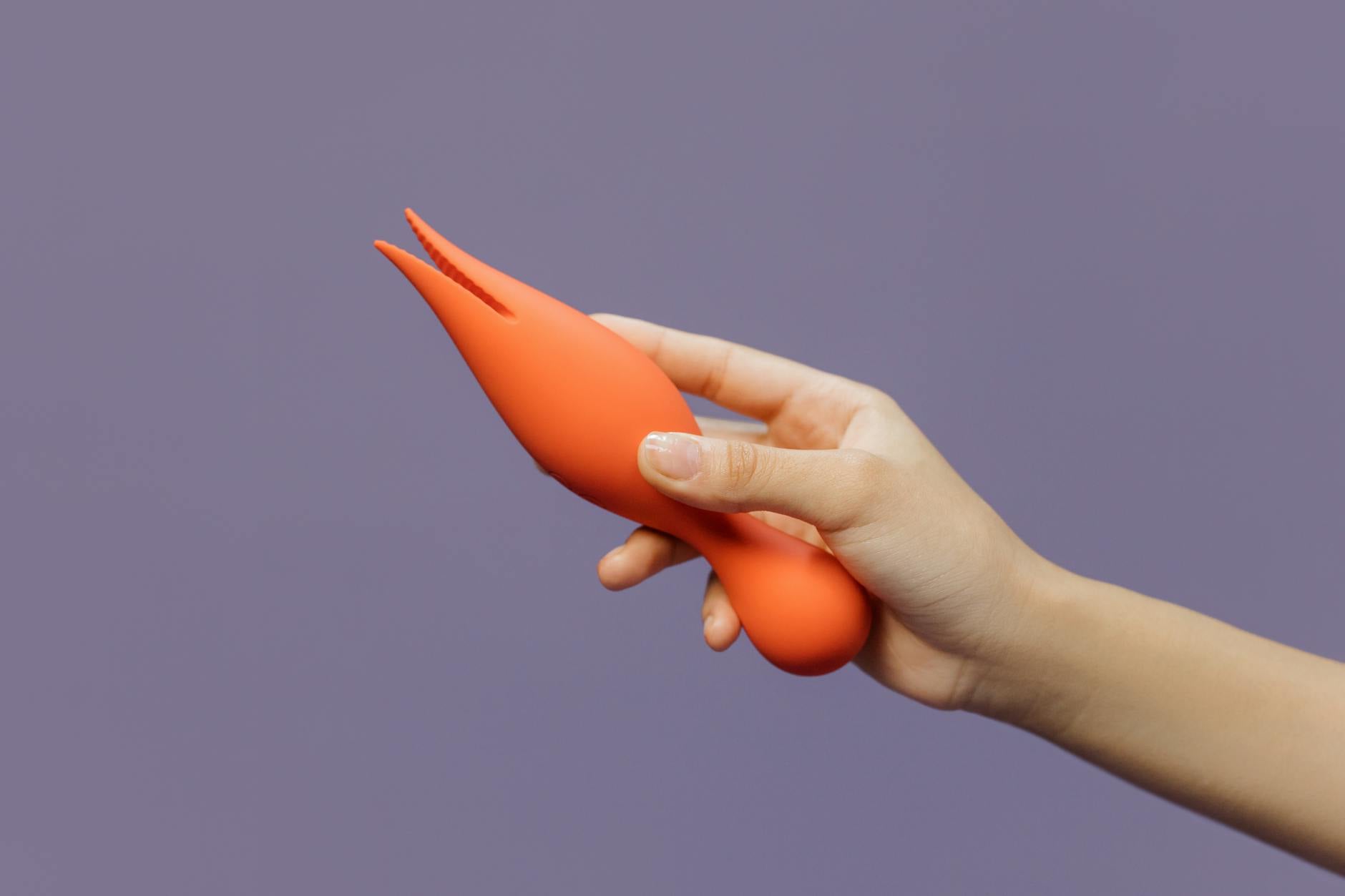
Here's where lemon vibrators enter: they bypass motivation. A lemon clitoral vibrator like the Lem uses gentle suction and pulsation to create sensation that doesn't rely on your brain being "in the mood." You don't have to feel desire to feel pleasure. And often, pleasure reignites desire. Your brain experiences the physical sensation, the arousal response kicks in automatically, and suddenly you're in the game again. It's not about willpower or romance or scheduling. It's mechanics.
Why suction-based clitoral vibrators outperform other toys when desire is suppressed
Wand vibrators buzz. Bullet vibrators buzz. Lemon vibrators work differently. The suction mechanism creates a seal around the clitoris and uses gentle pulse patterns to stimulate.
Why does this matter when medication has flatlined you?
First, suction doesn't require as much baseline sensation to register. If you're numb or muted by medication, gentle sustained suction feels like something is happening, even when you're not "feeling" in the emotional sense. The sensation is consistent and doesn't depend on you being wet or aroused first.
Second, the pulsation patterns don't fatigue your nerve endings the way constant buzzing does. When your pleasure is medication-dampened, you need something that builds slowly and sustains. The Lem's patterns are designed to ladder up in intensity. You're not asking your dulled nervous system to respond to maximum stimulation. You're introducing it to manageable sensation and letting arousal build at its own pace.
Third, because suction toys focus directly on the clitoris without the friction of other toys, they work well on sensitive or under-stimulated tissue. Medication can make your vulva feel thick or numb. Suction penetrates that in a way buzzing often doesn't.
The practical game plan: using lemon vibrators to work around medication side effects
Step one: lower your expectations for desire.
You're not waiting for spontaneous horniness. You're going to create the conditions for pleasure mechanically and let arousal follow. This sounds unsexy. It's actually liberating because you stop blaming yourself for not wanting it.
Step two: use the vibrator without an audience first.
When medication has killed your motivation, the added pressure of performing for a partner is the final nail. Spend two to three weeks using a lemon clitoral vibrator alone. Solo pleasure has a different reward system. You're not managing anyone else's expectations. You're just chasing sensation. Start on the lowest pattern. Let your body take 20 to 30 minutes to respond. Numbness from medication takes time to crack.
Step three: start with the Lem's lower patterns and resist the urge to skip ahead.
Pattern one might feel like nothing at first. That's the medication talking, not reality. Stay there for three to five minutes. Your nervous system needs permission to wake up. Many people report that after a few sessions of hanging out in the lower patterns, sensation returns suddenly. It's not gradual. It's like flipping a switch.
Step four: time it strategically.
Hormonal birth control usually hits desire hardest mid-cycle. SSRI numbness tends to be worst in the first four to six weeks of the medication, then improves slightly. Blood pressure meds are often worst in the afternoon. You don't have to do anything about this, but knowing your pattern helps. Use the vibrator when you're least numb.
Step five: once pleasure returns solo, bring a partner in.
Not as pressure. As a witness. Let them watch you use the lemon vibrator. This does two things: it gives you the attention and validation you missed when desire flatlined, and it shows them that pleasure is still possible. Then gradually shift toward partnered play while using the vibrator. The toy isn't replacing them. It's the bridge that lets you meet in the middle.
What doesn't work (and why)
Forcing desire through willpower fails because medication has chemically suppressed the neural pathways for wanting. You can't think yourself horny when your dopamine is low.
Waiting for desire to return on its own sometimes works, but often the flatness becomes the new normal. Six months into an SSRI, many people stop expecting to feel aroused again. The longer you wait, the more your expectations shrink.
Switching medications might help, but it takes weeks and carries its own risks. If the medication is working for your mental health, it's usually worth exploring pleasure solutions while staying on it.
Pressuring yourself to want sex like you used to does the opposite of helping. Shame spirals don't resurrect libido. They bury it deeper.
When to talk to your doctor about this
Your prescriber should have mentioned sexual side effects as a possibility. Most don't. But that doesn't mean they don't want to help once you bring it up.
If you're on an SSRI and desire is gone, ask about switching to a different class (bupropion and mirtazapine tend to have fewer sexual side effects). If you're on hormonal birth control, ask about a lower-dose formulation or a non-hormonal method. If you're on a blood pressure med that's killing desire, there are alternatives in the same drug class that affect libido less.
Don't expect a fix. Expect a conversation. And know that using tools like lemon vibrators in the meantime is not settling. It's problem-solving.
FAQ: Medication and pleasure
Can you orgasm while on SSRIs or other medications that lower libido?
Often yes, though it takes longer and might feel less intense. The flattening is usually in the desire phase, not the orgasm phase. Once your body is engaged, it can usually finish the job. That's why external stimulation from tools like lemon clitoral vibrators helps. You don't have to feel desire to reach climax. The vibrator creates the physical conditions, and your body responds.
How long does it take for lemon vibrators to help if medication has killed your libido?
Three to five sessions is typical before sensation starts returning. Some people see changes in one or two sessions. Others take two to three weeks of consistent use. The key is consistency, not intensity. Using the vibrator for 15 minutes three times a week will rewaken your nervous system faster than waiting months for desire to spontaneously return.
Is it normal to feel numb the first time you use a lemon vibrator after medication has flattened your libido?
Completely. Numbness from medication is real, not psychological. Start at pattern one and give your nervous system permission to warm up slowly. Many people say the first session feels like nothing, the second feels subtle, and by the third they feel actual pleasure. This is normal. Don't skip ahead to higher patterns. Let your sensitivity return at its own pace.
Will using a lemon clitoral vibrator restore your libido if you stay on the medication?
Not fully restore desire, but it reawakens your body's capacity for pleasure. After a few weeks of consistent use, most people report that spontaneous desire begins creeping back in. The tool doesn't replace the medication's effects. It works around them by creating sensation that rebuilds arousal muscle memory.
Should you tell your partner you're using a lemon vibrator to work around medication side effects?
Yes, if you want partnership in reclaiming pleasure. Honesty prevents resentment. You're not replacing them. You're fixing a medical side effect. Many partners actually find this relieving because it moves the problem from "What's wrong with me?" to "How do we solve this together?"
What if you've been on medication for years and don't remember what desire felt like?
That's common and fixable. Your nervous system hasn't forgotten. It's been suppressed. Using a lemon vibrator is like stretching after sitting still too long. The capacity is still there. It just needs time and consistent stimulation to reactivate. Expect six to twelve weeks of regular use before you feel desire returning to something like baseline. This isn't forever. This is a season.
The real talk
Medication side effects are real. Your desire isn't gone because you're broken or because your relationship is weak. It's gone because chemistry. And chemistry can be worked with. Lemon vibrators work because they create pleasure without waiting for motivation. They teach your body that sensation is still possible. And once your body remembers pleasure, your brain usually remembers desire.
Your mental health matters. Your sexual health matters. Both can happen at the same time. It just takes the right tools and some patience with yourself.
If you want more strategies for rebuilding intimacy when medication has shifted your relationship, we've written about how to communicate with your partner about these changes. And if you're interested in how lemon vibrators specifically help with desire issues, we cover that here.
You're not starting from zero. You're starting from a place where your body temporarily can't access desire. That's different. That's fixable. That's worth the effort.