Here's the thing about waiting for your partner
You're not broken if solo pleasure feels easier than partnered sex. You're not selfish if you'd rather not depend on someone else's mood, schedule, or willingness on any given night. And you're definitely not alone if you've discovered that the most reliable orgasm you're going to have is the one you give yourself.
This isn't a referendum on your relationship. It's a fact about how bodies work. Partners bring presence, connection, and intimacy. They also bring timing conflicts, performance pressure, and the occasional decision to be tired when you're ready to go. A lemon clitoral vibrator brings consistency.
Why self-pleasure is not a consolation prize
I work with couples for a living, and I watch the same pattern repeat: people (often women) learn to prioritize their partner's pleasure, their partner's schedule, their partner's comfort level with toys. Then something shifts. They try a device on their own, discover what actually works for them, and suddenly they're not waiting anymore.
This is not sad. This is liberation.
When you know exactly how to get yourself off, you're not dependent on anyone else's skill, motivation, or presence. You're not negotiating. You're not managing someone else's insecurity about toys. You're not wondering if your body is "too much" or "not enough." You're just having an orgasm that's completely, unapologetically yours.
Research on solo pleasure shows something interesting: people who have a reliable solo practice report higher satisfaction in partnered sex too. Not because partnered sex got better. But because the stakes got lower. You're no longer expecting your partner to be your only source of pleasure. That changes everything about how you show up together.
The consistency thing is huge
One of my clients described it perfectly: "With my partner, I'm managing variables. With my lemon vibrator, I'm just going." That's not poetry. It's physiology. A clitoral vibrator doesn't have a bad day. It doesn't need foreplay itself. It's not going to decide mid-sex that it's too tired. It delivers the same sensation every single time.
That reliability matters more than people admit. Some nights you want novelty and connection and the unpredictability that comes with another person. Other nights you want to know exactly what's going to happen in fifteen minutes. Both are valid.
Lemon sexual toys, especially suction-based designs like the Lem, work so well for solo use because they stimulate a wider nerve cluster without requiring the kind of effort or positioning that partner-based stimulation demands. You can lean back, relax completely, and let the device do the work. No performance energy required.
The freedom part changes your relationship too
Here's what I've watched happen in actual relationships when one person stops being dependent on their partner for pleasure: the relationship often improves. Not because the sex gets better. But because resentment drops. Because you're no longer building a case against your partner for not making you orgasm. Because you have agency.
When you know you can get yourself off whenever you want, partnered sex becomes something you choose rather than something you negotiate. You show up to it differently. You're less desperate, less resentful, less focused on "will this work for me." And paradoxically, that makes partnered sex better for everyone involved.
I've also watched people use solo pleasure as a bridge when partnered sex is complicated. When your body is healing from childbirth, when trauma is making partner touch difficult, when medications have shifted your responsiveness. A reliable solo practice keeps you connected to your own pleasure while everything else is in flux.
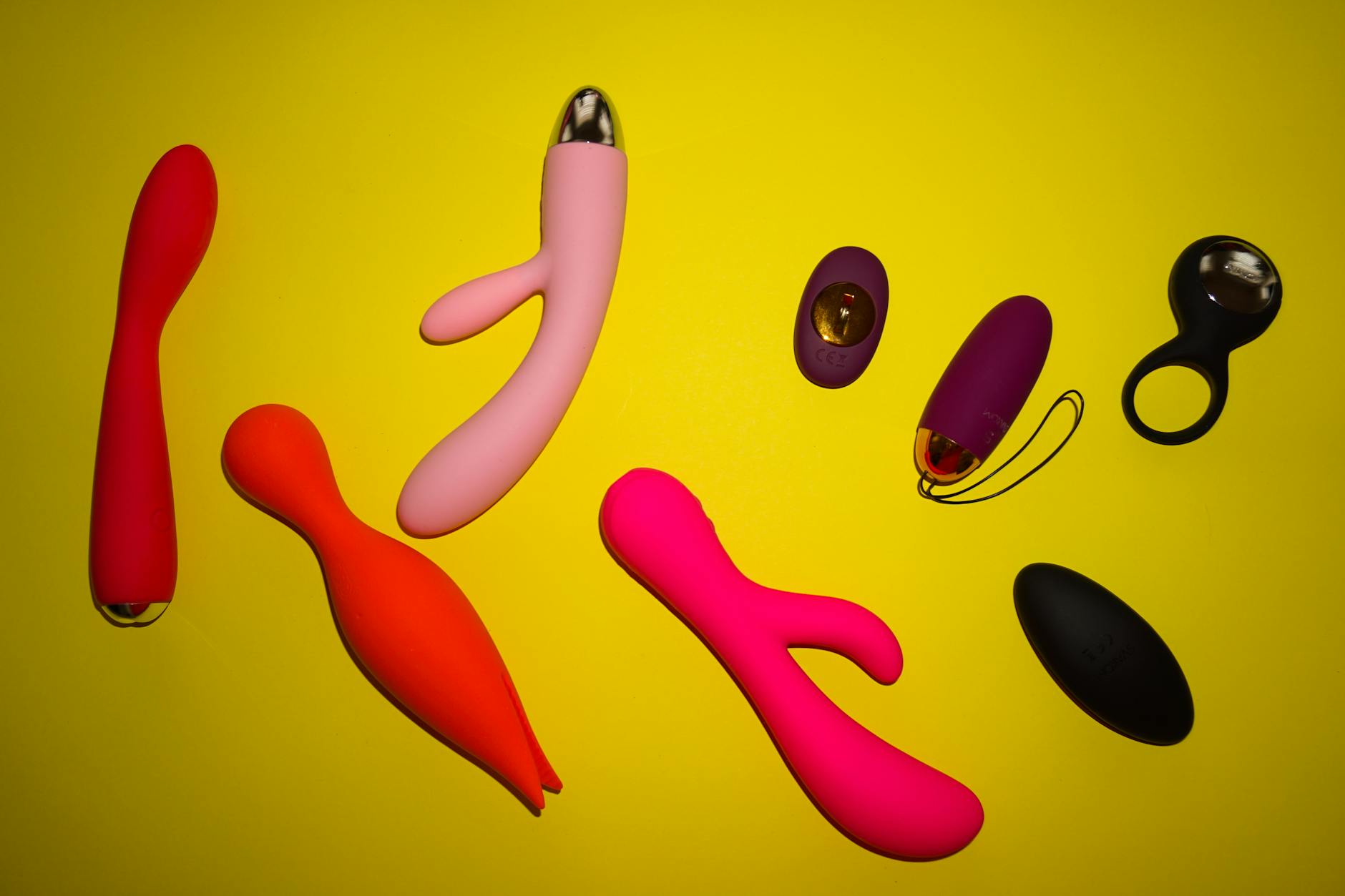
Photo by FounderTips on Pexels
How to actually set up a consistent solo practice
Three things I recommend:
First, normalize it as a regular thing, not an emergency. Not "I'll do this if my partner isn't available." But "This is my practice. This is how I stay connected to my own pleasure." Schedule it if that helps. Tuesday and Friday nights. Sunday morning. Whenever. The consistency matters more than the frequency.
Second, invest in a device you actually like. This is where lemon clitoral vibrators become non-negotiable. Find one that fits your body, your sensation preference, and your lifestyle. The Lem vibrator is designed specifically for solo use and partnered play, which means it's small enough to be discreet, powerful enough to be reliable, and intuitive enough that you're not fighting with controls when you just want to focus. Spend the money. This is your pleasure.
Third, protect the headspace. Solo pleasure needs permission in a way partnered sex sometimes doesn't. You might feel guilty, selfish, or like you're "cheating" on your partner by using a toy alone. You're not. You're taking care of yourself. If your partner has made you feel weird about this, that's a separate conversation worth having, and I'd recommend working with a couples therapist on it.
The lemon adult toys advantage for solo use
Why lemon sexual toys specifically work well for solo pleasure: they're designed for the clitoris, which means the stimulation is focused and predictable. You're not guessing at angles or pressure. You're not managing someone else's experience or concern about your sensitivity.
Start with the lowest setting. Give yourself at least 15-20 minutes without any pressure to orgasm. If orgasm happens, great. If it doesn't, that's also fine. The point is consistent time with your own body, learning what works, building trust that pleasure is available to you whenever you want it.
Many people find that solo pleasure feels different from partnered pleasure. Faster sometimes, because there's zero performance pressure. Sometimes more internal and meditative. Sometimes more intense because you're not managing anyone else's experience. All of these are normal. You're learning your own body in a way that partnered sex rarely allows.
What changes when you stop depending on your partner
This matters in practical ways. You stop arranging your schedule around their availability. You stop monitoring their interest level. You stop negotiating pleasure. You stop performing willingness when you're not interested. You stop waiting.
If you're in a long-term relationship, this shift can feel weird at first. You might worry that solo pleasure means something is wrong with your partnership. It usually doesn't. It usually means you're finally taking ownership of something that's been left unattended. And partners generally respond well to this when you frame it as a gift to the relationship, not a rejection.
One last thing: solo pleasure is also a boundary. It's a way of saying, "My pleasure doesn't depend on you." That's not unkind. It's actually one of the healthiest things you can communicate in a long-term relationship. You're not dependent. You're choosing to be present together, not waiting for crumbs.
FAQ: Solo pleasure and relationships
Is using a vibrator alone bad for your relationship?
No. Research actually shows that people with independent solo practices report higher satisfaction in their partnerships overall. The key is communication. If your partner has concerns, it's worth exploring what they're worried about (often it's fear that you don't want them, not fear of the toy itself). Solo pleasure isn't competition. It's self-care.
How often should I be using a lemon vibrator if I'm in a relationship?
As often as feels right. There's no normal frequency. Some people use toys solo twice a week and have sex with their partner four times a week. Others use toys solo as their primary pleasure source and have partnered sex less frequently. What matters is that it works for you and you've talked about it with your partner if you're in a committed relationship.
Will using a vibrator make partnered sex less satisfying?
Opposite. People typically report that having a reliable solo practice makes them less frustrated with partnered sex. When partnered sex doesn't have to be your only source of pleasure, it becomes something you approach with less desperation and more presence. That usually improves the experience for both of you.
Can I use a lemon clitoral vibrator during partnered sex if I also use it solo?
Completely. In fact, it's common and healthy. Some partners feel weird about this at first because they're afraid the toy is replacing them. You might need to have a conversation like: "I use this because it helps me be more present with you, not because you're not enough." Often partners feel better when they understand that the vibrator is actually working in their favor.
What if my partner is insecure about me using toys alone?
That's worth exploring, ideally with a relationship therapist. Insecurity about toys usually isn't really about the toy. It's often about fear that you don't want them, or that you're not satisfied, or that your pleasure is somehow a threat. A good therapist can help both of you understand what's actually happening underneath the surface.
How do I start a solo pleasure practice if I've never used a toy before?
Begin with a lemon vibrator on the lowest setting in a comfortable, private space where you won't be interrupted. Give yourself permission to just explore without any pressure to orgasm. Notice what patterns feel good. Use water-based lubricant if you want more glide. The goal is curiosity, not performance. Many people find that their first solo experience with a quality device teaches them more about their own body than years of partnered sex.
The permission you actually need
You don't need your partner's approval to have solo pleasure. You don't need to justify it or explain it or make it about them. Your body, your pleasure, your choice.
What you might need is permission from yourself to prioritize something that's entirely yours. That takes work, especially if you've been taught that pleasure is something you do with someone else, or for someone else. Solo pleasure is just for you. And that's the whole point.