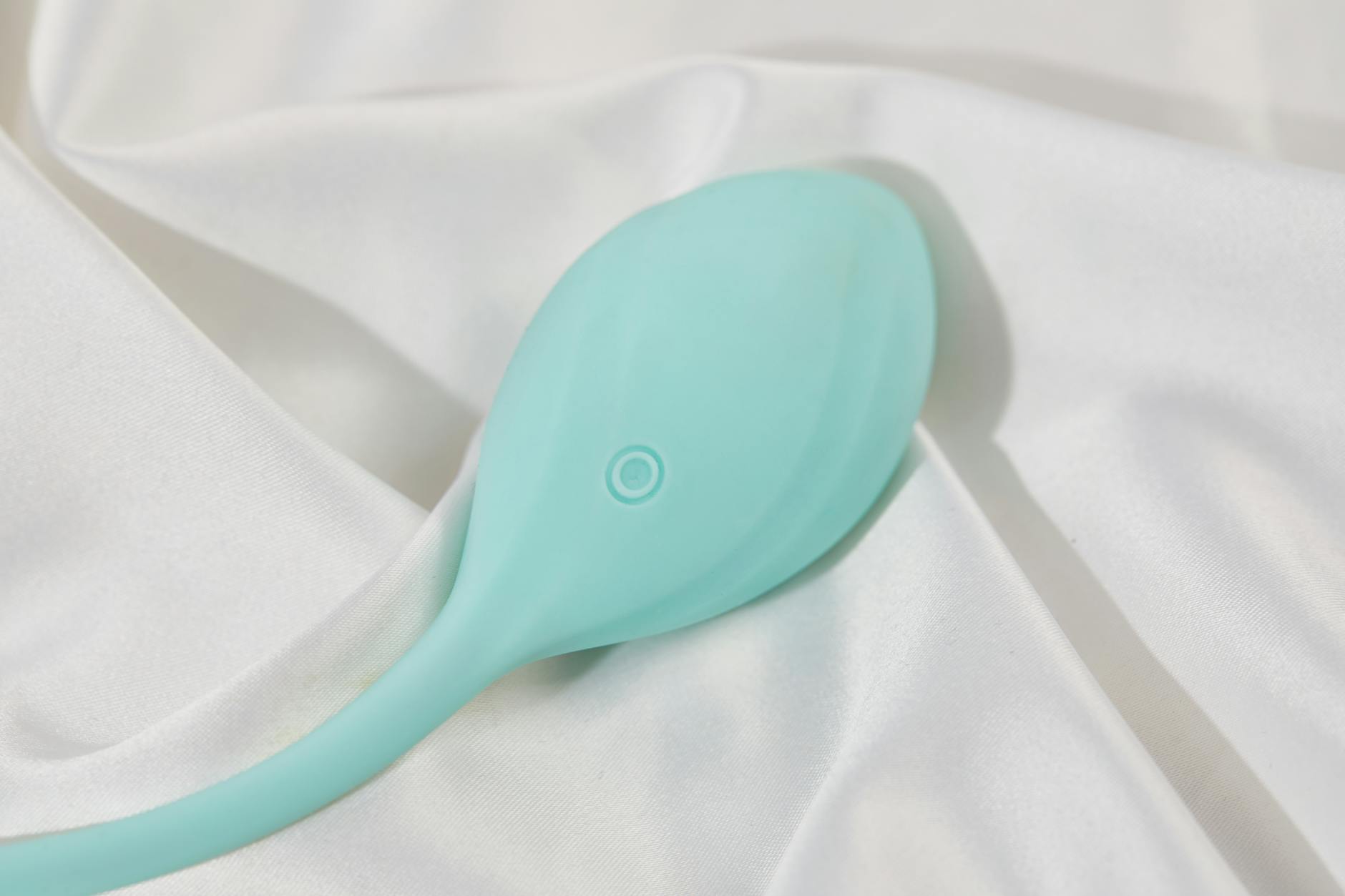
How to Use Lemon Vibrators When You Have a High Sex Drive or Frequent Urges
Let's be real: if you're masturbating five times a week or thinking about sex constantly, you're not broken. You're normal. And if you're in a relationship where your partner's libido doesn't match yours, that gap feels lonely in a specific way that regular couples therapy barely touches.
Here's what I see in my practice. People with high sex drives often feel guilty, apologetic, or like something's wrong with them. They're not apologizing to their partners. They're apologizing to themselves.
A lemon vibrator isn't a fix for a mismatch. It's a tool for agency. And used well, it actually strengthens your relationship instead of creating resentment in both directions.
Why high libido isn't actually the problem
First, the obvious thing nobody says: wanting sex frequently is not a sign of emotional neediness or relationship trouble. Desire is biochemical. It's wired into your nervous system. Some people have a naturally higher set point for sexual appetite, the same way some people naturally need more sleep or more social time.
That said, there's a difference between healthy sexual appetite and compulsive sex seeking. The boundary is simple. Healthy desire leaves you feeling satisfied and energized. Compulsive patterns leave you feeling hollow or increasingly anxious between sessions. If you're using masturbation to regulate anxiety or loneliness rather than to enjoy pleasure, that's worth naming and possibly working with a therapist on separately.
But if you just enjoy sex and think about it often? That's not a problem to solve. That's a rhythm to honor.
How lemon vibrators support intentional self-pleasure
Wand vibrators and bullet vibrators can feel urgent. They're designed for speed and intensity. You turn them on and the whole thing feels performative, like you're chasing a finish line.
Lemon vibrators work differently because of the suction mechanism. You control the stimulation with your own body position and rhythm. That shifts the entire experience from passive to active. You're not being stimulated. You're using a tool to explore what feels good in the moment.
For someone with a high sex drive, that distinction matters wildly. It gives you permission to have slow solo sessions. To stop early if something else comes up. To use the toy as a way to unwind rather than as a way to achieve an outcome.
I recommend lemon sucker vibrators specifically because they're compact and portable. If you want to use one daily, you can do it quickly in the shower, during a lunch break, or before bed without the whole thing feeling like a production.
Setting sustainable patterns
Here's where intentionality actually shows up. If you're using a lemon clitoral vibrator five times a week, that's fine. But it works best when you're not thinking about it as compensation for something missing elsewhere.
Three practices that help:
Build in variety. Rotate between solo time with your toy and partner sex and no sexual activity at all. Your nervous system actually craves the contrast. If you're orgasming daily, it's harder to feel surprise or intensity. If you take a day off, your next session hits differently. This isn't deprivation. It's rhythm.
Track your own patterns. Not in a clinical way. Just notice. Are you masturbating more when you're stressed? When you're bored? When you're avoiding something with a partner? High libido is normal. Using it to numb is different. If you notice yourself using your lemon vibrator as an escape route, that's worth pausing on.
Stop apologizing for wanting solo time. This is the biggest one. If you're in a relationship, your partner might feel threatened by your solo practice. The antidote is not to give it up. The antidote is honesty. You can say: "My need for solo pleasure has nothing to do with you. I enjoy sex with you. I also enjoy exploring pleasure on my own. Both are true at once." And then mean it. If your partner can't trust that, that's a relationship issue worth addressing with a couples therapist.
What to do if your drive is mismatched with your partner
Mismatched libidos are one of the most common sources of relationship resentment I see, and they're also one of the easiest to solve if both people actually want to.
The lemon vibrator is part of the answer. Regular solo sex means you're not pressuring your partner to meet 100 percent of your needs. You're meeting 40 or 50 percent of them yourself, which takes the urgency out of couple time.
But the conversation matters more than the toy.
Sit down when you're not in bed and not about to have sex. Tell your partner: "I have a high sex drive. That's not new. I'm going to explore solo pleasure regularly because it helps me feel grounded. It's not about you. I also really want our sex life to feel good. How can we find a rhythm that works for both of us?"
Then listen. Your partner might need more nonsexual touch. Might need more emotional connection before sex feels accessible. Might need less pressure or more initiation or something completely different than what you assumed.
Your high libido isn't the enemy. It's just information. And used with care, a lemon vibrator helps you own that information without demanding it from someone else.
Why solo practice actually improves partnered sex
This feels counterintuitive, but it's true. People with strong solo practices tend to have better partnered sex. Here's why.
When you know your own pleasure deeply, you can actually communicate it. You know what pressure, speed, and rhythm feel good. You know the difference between what you think you should want and what you actually want. That clarity is magnetic in a partnership.
You also take the pressure off your partner to read your mind. Instead of hoping they'll figure out what you need, you can say: "Slower right now" or "I want to use my lemon vibrator together" or "I'm going to take some solo time tonight." That's partnership. That's trust.
Regular masturbation also regulates your nervous system. It lowers cortisol, increases oxytocin, and gives your parasympathetic nervous system a chance to activate. That makes you calmer, more connected, and more available for actual intimacy when it happens. You're not walking around in a constant state of sexual tension, hoping your partner will notice. You're grounded and present.
A note on desensitization
One thing people worry about: if I use a lemon vibrator too much, will partnered sex start to feel boring?
Not if you're using it right. The reason desensitization happens with some toys is that they're intense and repetitive and the sensation doesn't change. You're chasing the same high over and over until you get numb.
Lemon vibrators sidestep this because the suction mechanism is gentler and you control the rhythm. You're not training your body to expect a single type of intense stimulation. You're learning to feel multiple types of sensation. That actually makes partnered sex feel more interesting, not less.
When to check in with yourself
High libido is healthy. Compulsive masturbation is a symptom worth exploring. The difference is how you feel after.
If you're using solo time to feel alive and grounded and joyful, you're in the green. If you're using it to escape anxiety or numb out, or if you're masturbating to the point of physical soreness, that's worth talking through with a therapist.
You deserve pleasure. You also deserve to know yourself well enough to recognize when pleasure has shifted into something else. That awareness is part of responsible self-care.
FAQ: High Sex Drive and Lemon Vibrators
How often is it safe to use a lemon vibrator if I have high libido?
Daily is fine. Multiple times daily is fine. The only limits are your own body and your schedule. If you're experiencing soreness, reduce frequency and use a water-based lubricant. If you're masturbating so much that it's interfering with work or relationships, that's worth reflecting on with a therapist. But frequency itself isn't dangerous.
Will using a lemon vibrator regularly make me less interested in partnered sex?
No. In fact, the opposite is usually true. Solo practice creates confidence and clarity about your own pleasure. That makes partnered sex more collaborative and better for both of you. You're not expecting one person to meet all your needs. You're meeting some yourself and creating space for actual intimacy to happen.
My partner is threatened by my solo practice. What do I do?
Start a conversation. Your partner might feel insecure, worried that you don't want them, or anxious about what your masturbation means about the relationship. Listen to that without defending yourself. Then be clear: solo pleasure and partnered pleasure are different experiences. Both matter. And your desire for solo time isn't a comment on your partner's desirability. If the conversation doesn't resolve the worry, couples therapy can help untangle the fear underneath.
Should I hide my lemon vibrator from my partner?
Not if you want real intimacy. Hiding it creates shame and distance. You deserve to have your pleasure visible, normalized, and part of your partnership. Keep it in a drawer, not a secret. Tell your partner you have it. You don't owe them access to using it, but you don't owe them secrecy either.
Can I use a lemon vibrator with a partner if my sex drive is higher than theirs?
Absolutely. Some couples love incorporating solo toys into partnered sex. One partner uses a lemon vibrator while the other uses their hands or mouth elsewhere. That can be incredibly connecting and lets both people engage at their own pace. Communication is everything. Ask your partner if they're interested in that, and listen if they say no.
Is my high sex drive a sign I need more connection in my relationship?
Sometimes. But not always. High libido is often just how you're wired. Some people are naturally higher-drive. Some variations come from stress or relationship disconnection, but not all. Pay attention to the difference. Are you wanting more sex or more intimacy? Wanting more touch or more orgasms? The answer matters because it shapes what kind of help you actually need.
The bottom line
Your desire is not your problem. It's your baseline. Learning to honor it without apology, using tools like a lemon vibrator to meet your own needs, and communicating clearly with partners about what you want. That's where real satisfaction lives. Not in shrinking yourself down to match someone else's rhythm, but in owning what you want and finding people and practices that honor that.
If you're ready to explore intentional solo practice with a toy that actually supports exploration instead of just chasing intensity, a lemon vibrator is worth trying. And if your high libido is creating friction in a relationship, talking to a couples therapist can help both of you understand what's underneath the mismatch.
You're not too much. Your desire isn't broken. You just deserve tools and permission to explore pleasure on your own terms.
If you'd like to discuss how to navigate high libido in your specific relationship, reach out. I'm here to help.