Your pleasure used to have an audience. Now it doesn't.
That shift is bigger than it sounds. When you've spent years calibrating your body's response around someone else's preferences, timeline, and needs, solo exploration stops being optional. It becomes the actual work of remembering what you want when nobody else's comfort is in the room.
Here's what I've heard from hundreds of people rebuilding their sex lives after long relationships end: the hardest part isn't the loneliness. It's the confusion. Your body learned a specific script, and that script is suddenly not relevant anymore. Lemon vibrators, specifically tools designed for precision clitoral stimulation, are genuinely useful here because they let you explore without performance pressure. You're not performing. You're discovering.
Why solo pleasure feels different after a long relationship
When you've been with someone for years, your arousal pattern became intertwined with theirs. You knew what they wanted. You learned to move at their rhythm. You probably developed a reliable climax sequence because repetition works. And then that person leaves, or you leave, and suddenly your own body feels like unfamiliar equipment.
This isn't weakness or broken desire. This is exactly what happens when intimacy gets woven into partnership. The nervous system literally retrains itself. Your brain stopped asking "what do I want" and started asking "what will land well here."
Solo exploration inverts that completely. No one is watching. No one is waiting for a specific response. No one cares if you take forty minutes to finish or if you decide halfway through that you'd rather read instead. This freedom is disorienting at first. Then it's liberating.
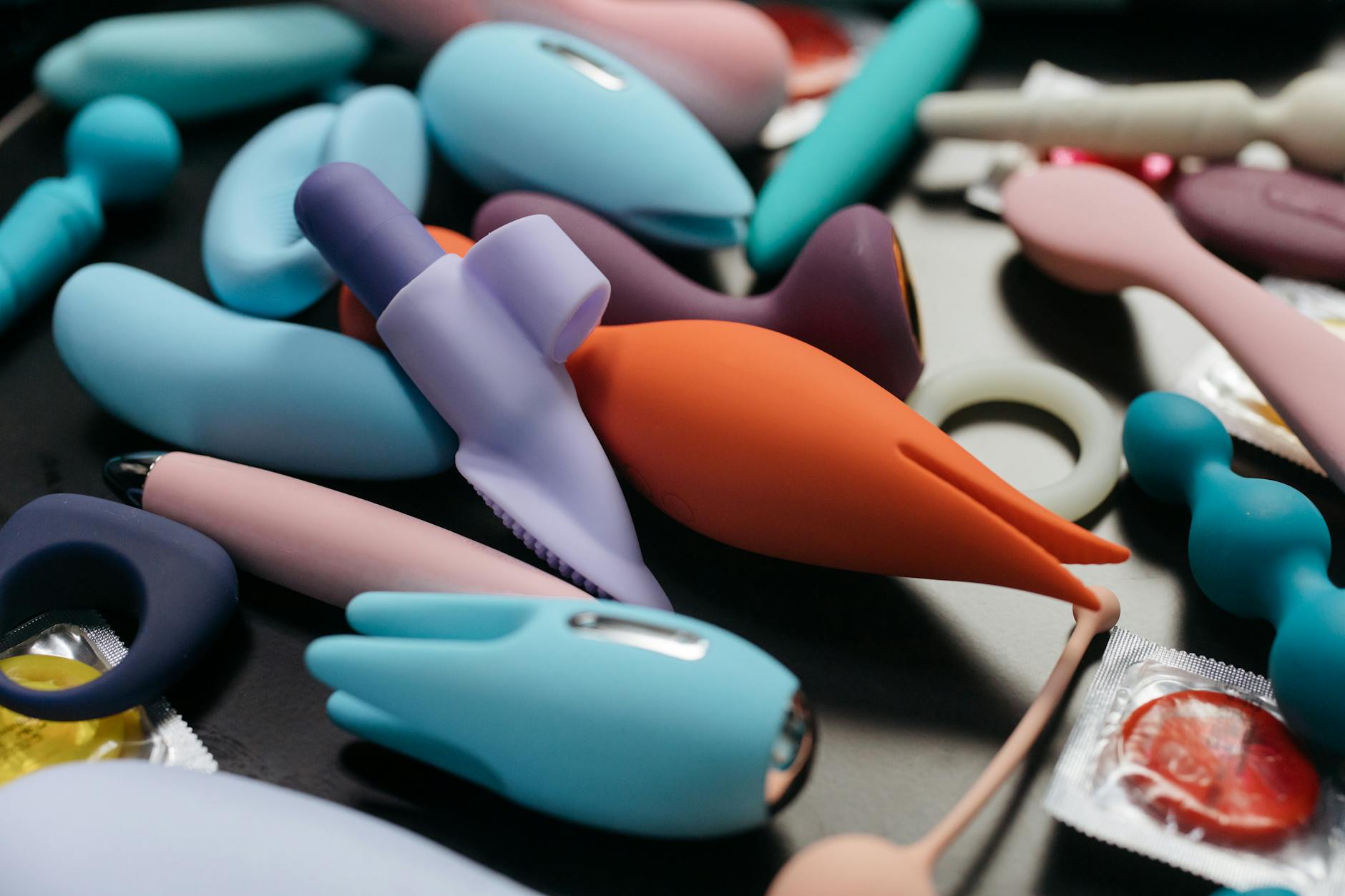
Photo by cottonbro studio on Pexels
Starting with a lemon clitoral vibrator: why they work here
Lemon vibrators are precision tools. Unlike broader wand vibrators or bullet toys that work well for partnered play, lemon sucker vibrators give you pinpoint control over exactly where and how much stimulation you're getting. This matters for solo rediscovery because precision means feedback.
When you've lost the map of your own desires, you need information. A lemon clitoral vibrator gives you that. You can test different pressure levels, pulse patterns, and areas of the clitoris without having to manage someone else's involvement or interpret their timing. You're running the entire experiment.
The other practical advantage: suction-based stimulation (which defines the lemon design) feels different from vibration-only toys. It's gentler, more textured, less likely to numb you into disassociation. For people rebuilding solo pleasure after years of partnered sex, that difference is actually critical. You're trying to stay present, and dissociation is easy when you're fighting the awkwardness of reclaiming your own body.
Creating the actual conditions for exploration
Here's what solo pleasure after a long relationship requires: time and privacy that feels intentional, not sneaky. If you're still living in shared space with an ex, or if you're in housing where pleasure feels illicit, that tension lives in your nervous system. That tension keeps you from genuine discovery.
Block off real time. Not five minutes between chores. An actual hour where you've told your body and your brain that this matters. No phone. No "I'll just check one thing." The neurological reset you're trying to engineer requires focus.
Next: environmental comfort. Soft surfaces, reasonable temperature, privacy that feels secure. Some people light a candle. Some put on music or a specific playlist. Others sit in silence. The point isn't the aesthetic. The point is that you're creating separation between "regular life" and "this is exploration time."
Then: curiosity over expectations. You're not trying to replicate the orgasms you had before. You're not trying to achieve anything specific. You're literally running an experiment. "What happens if I use the lemon toy at intensity level three for two minutes, then switch to level two." "What patterns actually feel good instead of just feeling familiar." "Do I prefer a specific time of day."
How to use a lemon vibrator when you're starting from scratch
The mechanics are straightforward, but the mindset shift is what matters.
Start with the lowest intensity. This isn't because you're fragile. It's because lower intensity gives you more information. You can feel the actual sensation without your nervous system jumping straight to stimulation overload. Build up gradually. Notice what changes as intensity increases.
Experiment with position. You might have had a reliable position with a partner. That doesn't mean it's what you actually prefer. Try sitting, lying on your back, lying on your side. Try angled versus direct contact. The clitoris is bigger and more textured than most people realize. Different spots feel different.
Pay attention to timing. Do you prefer longer warm-up time, or do you like jumping in immediately. Does your body respond better in the morning or at night. After exercise or before. These aren't trivial details. They're the data you need to build a pleasure map that's actually yours.
Watch for patterns instead of pursuing a finish line. Some people come back to solo sex and immediately hunt for an orgasm because that's what they remember as the goal. But if you're rebuilding, the goal is information. Can you feel arousal building. Can you notice where the pleasure lives in your body. Can you stay present for five minutes without your brain spinning into anxiety or distraction.
The emotional stuff nobody warns you about
Moment one of solo exploration: this is weird and I'm alone. Moment two: this is actually kind of nice. Moment three: why do I feel sad. That third moment catches people off guard.
Grief shows up in the middle of pleasure sometimes. Your body is remembering what intimacy felt like, and the fact that it's gone lands differently when you're in a vulnerable moment. This is normal. Sadness and pleasure aren't opposites. They can exist in the same space.
Some people find that solo pleasure becomes an act of reclamation. You're not doing this for someone else's approval or pleasure. You're not performing. You're claiming your body back. That's powerful and sometimes it feels hard.
If you find yourself shutting down or spiraling, pause. Step away. This isn't punishment for not being able to "just enjoy it." Your nervous system is processing something. Come back when you're ready.
Building actual comfort with your own desire
The bigger project here isn't just about using a lemon vibrator or achieving orgasm. It's about rebuilding your relationship with your own sexuality after years of filtering it through someone else's presence.
This means noticing when you want touch without having to act on it immediately. This means thinking about what you find hot without needing permission. This means exploring fantasy or kink or even boredom without having to explain or justify it to anyone.
Solo pleasure is the laboratory where you get to do that work. It's low stakes. The stakes are literally zero. You're not disappointing anyone. You're not negotiating. You're just there with your own body and your own curiosity.
When to add back partnership (if you want to)
Some people never want partnership again, and that's completely fine. Some people eventually want to add a partner back in, and that's also fine. If you're in the second camp, solo exploration is actually the best preparation.
When you know what you want and what your body actually responds to, adding a partner becomes negotiation instead of guessing. You can say "I prefer the pattern where you do X" instead of hoping they figure it out. You can direct someone toward what works instead of defaulting to what you've always done.
That clarity makes partnered sex better. It also makes it more reciprocal because you're not just managing your own pleasure. You're actually present for theirs.
For now, though: your only job is rediscovery. A lemon clitoral vibrator is a tool for that. Your own attention and curiosity are the actual equipment.
FAQ: Solo Exploration With Lemon Vibrators
How long does it actually take to feel comfortable using a vibrator alone after a breakup?
There's no standard timeline. Some people click into solo pleasure within a week. Others need months to stop feeling strange about it. What matters is that you're not rushing. You're building a new relationship with your own body, and that takes time. If weeks turn into months of complete shutdown, that might be worth talking through with a therapist. Grief is normal. Total avoidance usually signals something deeper.
Can using a lemon vibrator actually help me stop thinking about my ex?
Not in the way you might hope. Pleasure doesn't erase grief or longing. What it does do is remind your nervous system that good feelings still exist, and that you can create them for yourself. That's powerful, but it's not magic. You're not using the vibrator to distract from pain. You're using it to build something new alongside the pain.
Is there a "right" way to orgasm when you're solo for the first time after being partnered?
No. Your orgasm belongs to you. It doesn't have to look like anything or feel like anything specific. Some people find that solo orgasms feel totally different from partnered ones. Some feel the same. Both are completely normal. The point is that you're experiencing what your body actually does when there's nobody else to perform for.
What if I feel guilty about exploring solo pleasure after a breakup?
That guilt often comes from scripts we've absorbed. Your pleasure "belongs" to the relationship. Your body was shared property. That's the messaging a lot of us grew up with, and it's worth unpacking. For now: you're allowed to want things. You're allowed to explore your own body. Guilt is a feeling, and feelings don't make choices wrong.
Does using a lemon vibrator mean I'm not actually grieving properly or moving on?
Nope. Pleasure and grief coexist. You can miss someone and feel good in your own body at the same time. These aren't competing processes. They're both part of rebuilding after a long relationship ends. Solo exploration isn't moving on. It's moving through.
Should I tell new partners about my solo exploration with a lemon vibrator?
That's totally your choice. Some people find it helpful to mention that they've gotten to know their own body and prefer certain stimulation. Others keep it private. Neither is wrong. What matters is that you own your own pleasure and can communicate what works without shame or hesitation.
You're rebuilding from the inside out
When a long relationship ends, you're not just losing a partner. You're losing the specific way your body learned to want things. That's real loss. And it also means you're getting back something that partnership sometimes takes: direct access to your own desire, your own timeline, your own curiosity.
A lemon vibrator is a practical tool for rediscovery. Your own attention is the real work. Stay curious. Be patient with yourself. Show up for your own pleasure the way you would have shown up for a partner's, and watch what becomes possible.
Ready to talk through what works for your specific situation? Reach out at /contact anytime.