When everything feels... different
Let's be real. You started hormonal birth control, and somewhere between month two and month six, you noticed that sex felt different. Not bad, necessarily. Just different. Your arousal takes longer to build. Orgasms feel distant. Sometimes lubrication isn't what it used to be. And the weird part? Everyone around you acts like this is either not happening or totally normal and you should just power through.
It's happening. And there's actual biology behind it, not your imagination.
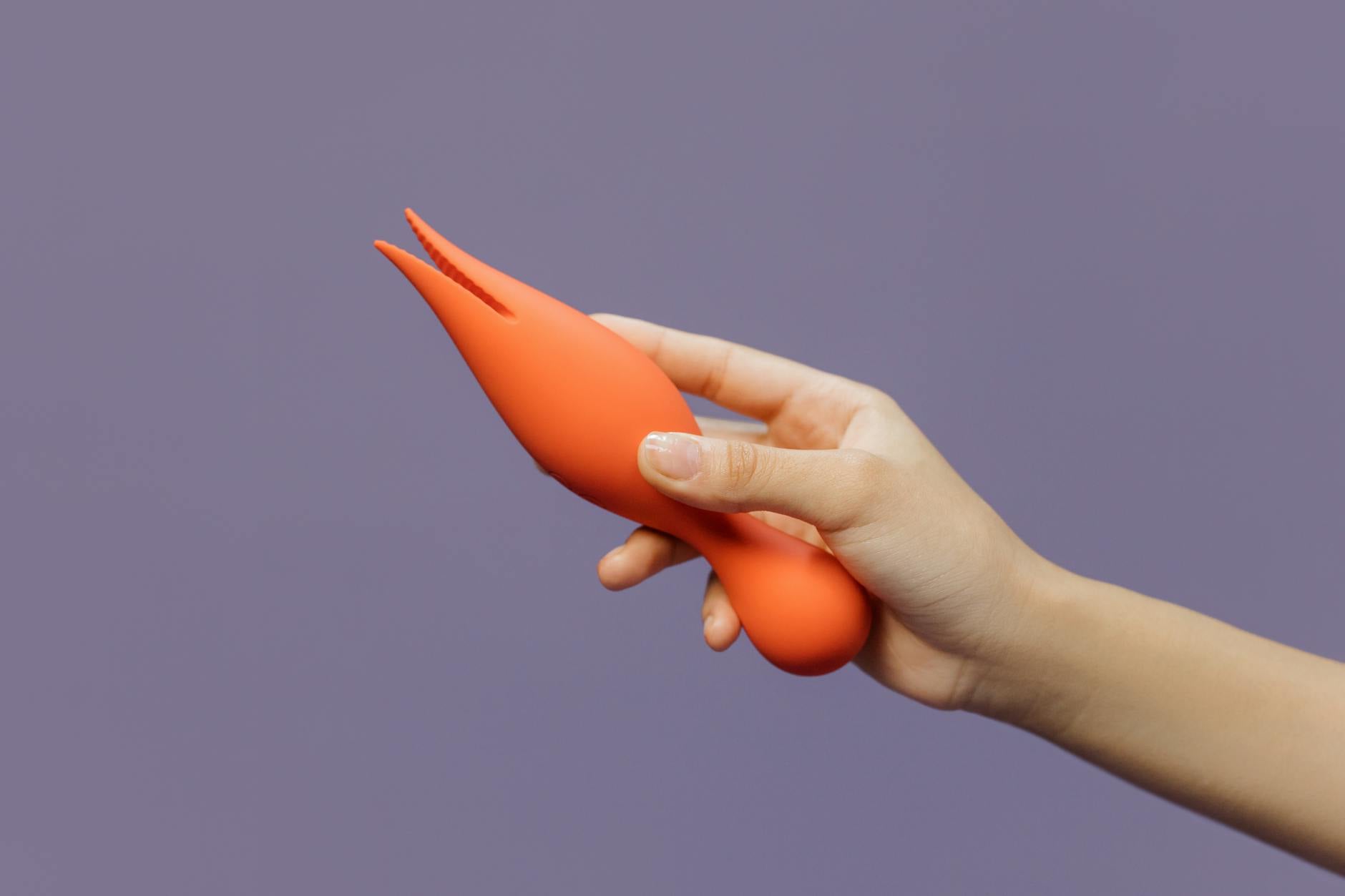
Hormonal birth control alters the delicate hormone landscape that drives desire, sensation, and orgasmic response. For some people, these changes are minor. For others, they're significant enough to reshape their entire sexual experience. The good news is that understanding what's shifting physiologically makes it possible to work with your body instead of fighting it. Lemon vibrators, specifically their suction-based design, work surprisingly well for people navigating this exact transition.
What hormonal birth control actually does to sensation
Hormonal contraceptives suppress the hormones your body produces naturally. Depending on the method, you're essentially running on a steady, artificially-maintained hormone dose instead of the cyclical peaks and valleys your body evolved with.
Here's what changes:
Estrogen and arousal. Lower circulating estrogen means your body produces less natural lubrication and the vaginal and clitoral tissue becomes slightly less engorged during arousal. This isn't dramatic for everyone, but it's measurable. You might notice that the physical feeling of arousal, that warm fullness, takes longer to arrive or feels less pronounced.
Testosterone suppression. Yes, people with vulvas produce testosterone too. It's a major driver of desire. Many hormonal birth control methods lower testosterone significantly. This isn't about libido disappearing entirely, it's more subtle. The urgent, spontaneous pull toward sex softens. You might need more mental engagement or physical stimulation to cross the threshold into "I want this."
Clitoral sensitivity. Estrogen directly affects nerve responsiveness in genital tissue. Lower estrogen can mean the clitoris feels less responsive to direct touch. This is why some people on hormonal birth control find that their usual masturbation routine stops working the same way. It's not that you've lost sensation. The sensation is still there, but it takes a different kind of stimulation to access it.
Orgasmic intensity. Some research suggests that the variety of sensation from a cyclical hormone pattern creates more intense, varied orgasmic experiences. When hormones flatten out on birth control, orgasms can feel less intense or more similar each time. Again, this isn't universal, but it's common enough that it deserves naming.
Why lemon vibrators work differently than other toys
Most vibrators work through vibration, which creates sensation through rapid friction or percussion. When clitoral tissue is less responsive due to hormonal shifts, straight vibration can feel exhausting instead of pleasurable. You end up chasing the feeling without ever quite catching it.
Lemon clitoral vibrators use air-suction technology instead. Suction creates a different kind of stimulation entirely. Rather than friction, it works through gentle pressure fluctuations that draw the clitoris upward and stimulate the nerve endings through displacement rather than direct contact. This matters when your clitoris is less responsive because suction often feels more novel and engaging to tissues that have been desensitized by hormonal changes.
The pattern settings on lemon vibrators also make a difference. You can start at very low intensities on pattern one and build gradually, which works better for bodies that need more time and gentler stimulation to wake up arousal. Traditional vibrators often feel like they're vibrating at you rather than with you. Suction feels collaborative.
The practical framework for using lemon vibrators on birth control
You're working with a different baseline now. Here's how to approach it.
Extend your warm-up time. Don't give yourself a fifteen-minute window if you used to need five. Give yourself thirty minutes. This isn't laziness, it's biology. Your body needs more time to build arousal on hormonal birth control. Make this time feel good. Touch your whole body. Use a lemon vibrator on lower intensities than you might think. Let your nervous system actually register arousal instead of just pushing toward orgasm.
Start on patterns one or two. The lower intensity settings on lemon vibrators create a subtle, almost teasing sensation. This is exactly what works when you're relearning your body's responsiveness. You're not trying to force an orgasm, you're gathering information about what actually feels good right now. That might surprise you. Some people find that very low, sustained suction feels more pleasurable than the higher patterns they thought they wanted.
Use good lubrication consistently. Hormonal birth control can reduce natural lubrication, so add more than you think you need. Water-based lube is ideal with silicone toys. Lubrication doesn't feel like failure, it feels like information. Your body isn't broken, it's just running on different chemistry. Lubrication helps the suction work more effectively anyway. It creates a seal that makes the sensation more pronounced.
Experiment during different points in your cycle. Even on hormonal birth control, your body retains some cyclical hormone patterns, just muted. You might notice that certain days within your pill pack or after your hormone-free interval feel more responsive than others. Pay attention to this. When does sex feel better? When are you more easily aroused? Lemon vibrators become more effective on those days because your body has more resources available for sensation.
Build partnered exploration slowly. If you have a partner, they might notice that sex feels different too. This is a conversation worth having directly. "My arousal is slower on birth control" is different from "something is wrong with our dynamic." Conflating them turns the conversation into a dead end. Use this transition as a reason to slow down and check in about what actually feels good now, not what you think should feel good.
When sensation changes are bigger than expected
Sometimes the shift in sensation on hormonal birth control goes beyond slower arousal. Some people experience significant numbness, difficulty with orgasm, or a sense of emotional distance during sex. This is real and it matters.
If this is your experience, it's worth checking in with your prescriber. Some birth control methods cause more sensation suppression than others. An IUD, for example, has far fewer systemic hormonal effects than a pill. If your current method is creating changes you don't want, alternatives exist. The Lem vibrator can absolutely help in the meantime, but you also deserve to explore whether a different contraceptive might feel better in your body.
Similarly, if numbness or difficulty with arousal showed up before you started birth control, hormonal shifts might be revealing something that was already there. This isn't a reason to panic, just a reason to notice. That's information worth bringing to a healthcare provider.
The mental side of sensation shifts
Here's something people don't talk about enough. The emotional response to noticing your body works differently is real and worth acknowledging. Some people feel relieved that their arousal is less persistent. Some feel frustrated or even grieved. Both are valid.
If you went on birth control expecting no sexual side effects and then discovered that sensation and arousal fundamentally shifted, that can feel like a loss. You're not overreacting. You're adjusting to a body that feels different than the one you had before. That adjustment takes time. Using lemon vibrators isn't just about physical pleasure, it's about spending time with your body on its own terms, learning what it actually needs now instead of demanding it work like it used to.
Some people find that slowing down actually deepens their experience. Without the automatic urgency, they engage more consciously. They explore more. They discover they like things they never tried before. Others find they prefer their previous baseline and decide to switch birth control methods. All of these are reasonable conclusions.
Frequently asked questions
Does sensation return to normal if I stop hormonal birth control?
Usually, yes. Most people notice their baseline arousal and sensation normalize within two to four months of stopping hormonal birth control. Clitoral responsiveness rebounds relatively quickly. However, if you've been on hormonal birth control for years, it can take longer to remember what your body's "normal" actually is. Using lemon vibrators during the transition period, whether you're starting or stopping birth control, helps you stay connected to your body's actual signals instead of what you think it should feel like.
Can I use a lemon vibrator if I'm on the pill?
Absolutely. There's no interaction between hormonal birth control and using lemon adult toys. You can use lemon vibrators exactly as you would if you weren't on birth control. The only difference is that your body might respond differently due to hormonal changes, which is why understanding those changes helps you use the toy more effectively.
Why does it feel like my partner isn't attracted to me anymore?
This is often about reduced lubrication and slower arousal creating less obvious physical response, not reduced attraction. Your body might not be visibly flushed or lubricated in the ways your partner learned to recognize. That's not about attraction, it's about chemistry. Talking explicitly about what arousal looks like now, and using lubrication and lemon clitoral vibrators that work with your current physiology, often resolves this quickly.
Is the sensation numbness on birth control permanent?
Not typically. Sensation shifts are usually reversible when hormonal conditions change. However, if numbness persists or worsens after stopping birth control, that's worth discussing with a healthcare provider because it might indicate something else. In the meantime, lemon vibrators help maintain sensation and connection even when responsiveness feels muted.
How long does it take to adjust to sensation changes?
Most people notice the most significant shifts in the first three months of starting hormonal birth control. By six months, your body has usually adapted to the new hormone levels and you develop a new baseline. Using lemon vibrators and exploring your body during this window helps you adjust more consciously instead of just pushing through confusion.
Should I use lemon vibrators more or less frequently when I'm on birth control?
There's no standard answer. Some people find that using lemon vibrators more frequently helps them stay connected to pleasure and sensation despite hormonal dampening. Others find they need less stimulation overall. Pay attention to what your body actually wants, not what you think it should want. If lemon clitoral vibrators feel good and accessible, use them. If they feel like a chore, that's information too.
The bottom line
Hormonal birth control changes sensation. That's not a flaw in the birth control or in your body. It's just chemistry. Understanding what specifically shifts makes it possible to work with your body instead of against it. Lemon vibrators, with their suction-based design and adjustable intensity, happen to work really well for people navigating this exact transition. Start slowly, use lubrication, and give yourself permission to explore what feels good on your current baseline instead of chasing what used to feel good. If sensation changes feel significant enough that you're questioning your birth control choice, that's a conversation worth having with your prescriber. Your pleasure matters, and there are options.
Ready to explore what works for your body right now? Get in touch and we can talk through what might feel best for you.