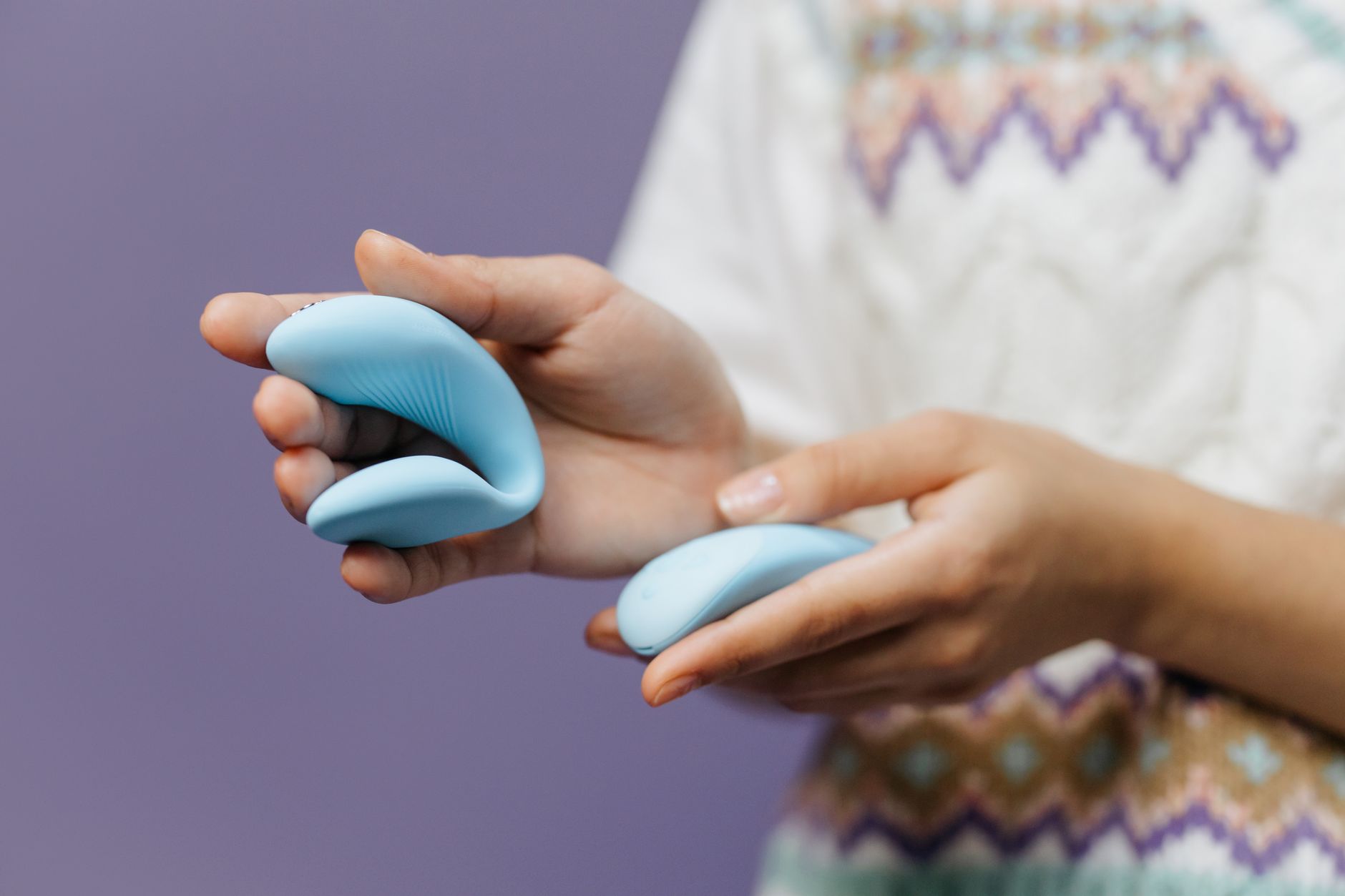
Let's talk about the pelvic floor nobody mentions
Your pelvic floor is doing a job you never think about until it stops working right. It supports your bladder, bowel, and uterus. It contracts during orgasm. It relaxes during arousal. When it's tight, numb, or weak, sex stops being pleasurable. Sometimes it stops being possible at all.
Pelvic floor dysfunction (PFD) is wildly common and almost never talked about. Physical therapists who specialize in this see it constantly. So do I, in couples therapy. And here's what nobody tells you: it's fixable.
What pelvic floor dysfunction actually is
Pelvic floor dysfunction is when the muscles that support your pelvic organs are either chronically tense (hypertonic) or weakened (hypotonic). Both suck in different ways.
Hypertonic means the muscles are gripped, like you're holding your breath with your pelvic floor all day long. This creates numbness, pain during penetration, difficulty with orgasm, and a weird sensation of pressure or heaviness. It's often tied to trauma, anxiety, or years of tension from holding yourself together through stress.
Hypotonic means the muscles are weak or stretched out. You might experience incontinence, loss of sensation, or difficulty reaching orgasm because the pelvic floor can't contract properly to trigger that final nerve response.
Many people have both at different times, or in different areas of the pelvic floor. The clitoris relies on pelvic floor blood flow and nerve signals to respond. When that system is dysregulated, pleasure flatlines.
Why lemon vibrators work differently for PFD recovery
Traditional vibrators rely on direct friction. They're fine for healthy tissue, but if your pelvic floor is already tense or sensitive, friction can increase pain and muscle guarding. That's the opposite of what you need.
Lemon clitoral vibrators use suction stimulation. Instead of buzzing against tissue, they gently pull and release, creating a rhythmic sucking sensation. This does three things PFD recovery needs:
1. Stimulates without friction. The clitoris has thousands of nerve endings concentrated in a small area. Suction reaches those nerves without mechanical pressure, which means less trigger for pelvic floor tensioning.
2. Encourages blood flow naturally. Suction pulls blood into the clitoral tissue, which gradually restores sensitivity and arousal response. Many people with PFD have lost sensation because blood flow has been compromised by chronic tension.
3. Helps rewire the nervous system. Pleasure is partly learned. When you've spent months or years in pain, your nervous system has learned to brace against stimulation. Gentle suction from a lemon vibrator feels different enough from traditional vibration that it doesn't trigger the old pain memory.
Starting slow: the first week back
If you've been dealing with PFD, your pelvic floor has been working overtime. It's tired. It's probably angry. Jumping straight to intense stimulation won't help.
Start with exploration, not pleasure. Set aside time when you have zero pressure to orgasm or feel anything. Lie down somewhere comfortable, maybe with a pillow under your hips. Use external-only stimulation on the lowest setting of a lemon clitoral vibrator. Some people start with the vibrator off their body entirely, just held nearby, to get used to the feeling.
Spend five to ten minutes just noticing what you feel. Numbness? That's common. A light tingling? Good sign. Discomfort? Stop and come back tomorrow. This isn't a race.
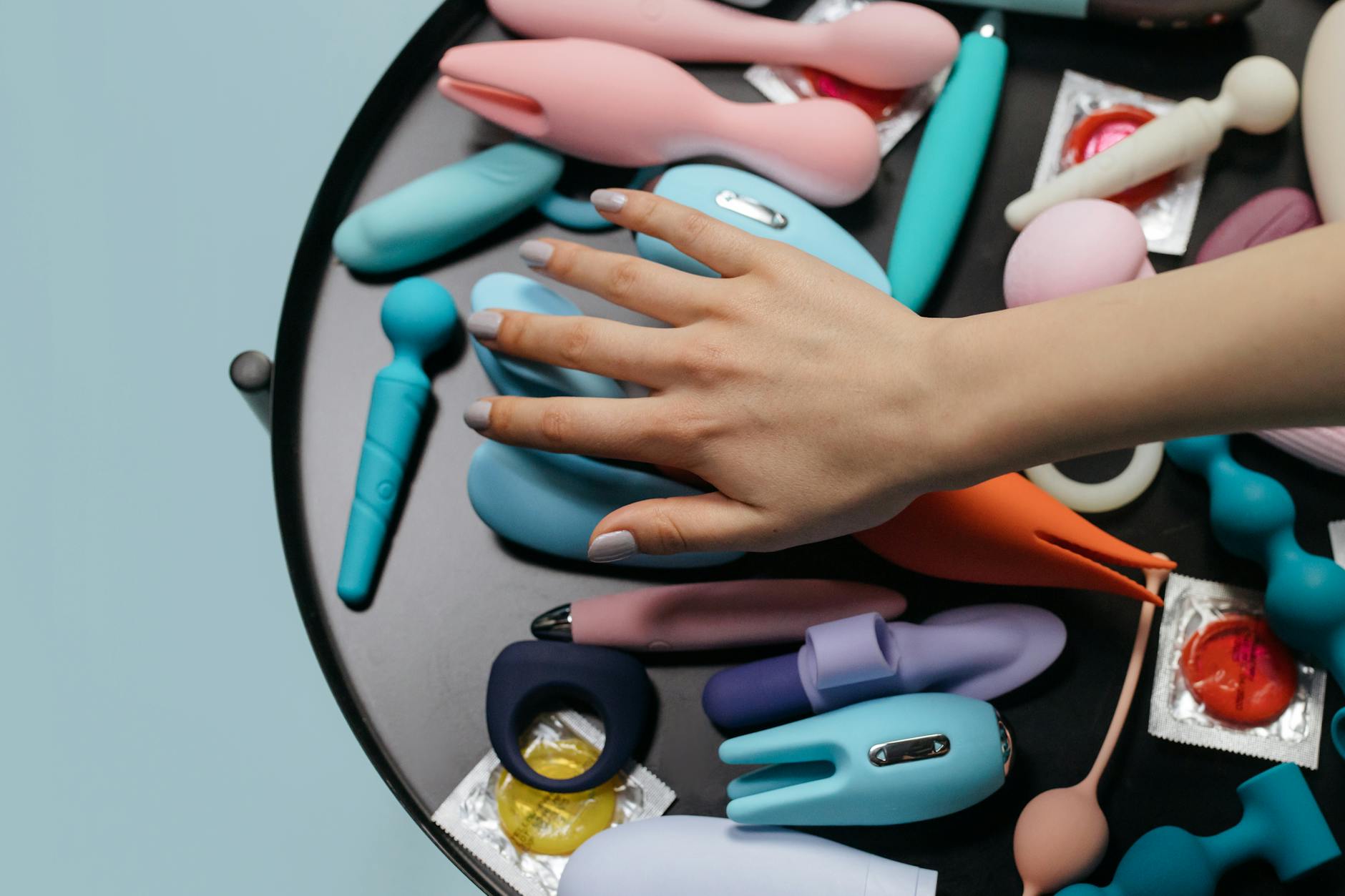
Photo by cottonbro studio on Pexels
The goal for the first week is just to reintroduce sensation safely. Your nervous system needs to learn that this type of touch is safe and won't trigger pain.
Weeks two through four: gradually increasing intensity
Once the initial exploration feels neutral or slightly pleasant, you can shift gears. Still use the lowest settings, but now start paying attention to what feels good versus what doesn't.
The suction on lemon vibrators works in waves or patterns. Some have multiple intensity levels. If you're using a lem vibrator, start on pattern one and stay there for a few sessions before moving to pattern two. This gives your pelvic floor time to relax into the new sensation without overwhelm.
You might notice that pleasure builds gradually over these weeks instead of hitting suddenly. That's exactly what should happen when you're retraining your nervous system. Slow arousal that builds steadily is more reliable than the shock-and-awe approach.
Many people find that after three to four weeks of gentle, consistent use, they start feeling genuine arousal for the first time in months. It might not be intense. That's fine. The point is that the circuit is coming back online.
The mental piece matters as much as the physical
Pelvic floor dysfunction almost always has a psychological component. Whether you got here through trauma, chronic stress, or just years of holding tension, your brain has learned to guard that area.
When you're trying to rebuild pleasure, you're also trying to convince your nervous system that sensation is safe again. This doesn't happen through willpower or forcing yourself to relax.
It happens through repetition and safety. Every time you use a lemon clitoral vibrator and nothing bad happens, you're sending a signal to your nervous system that this is okay. Every time you stop when something feels off, you're teaching yourself to trust your own body again.
If you have a partner, their job during this phase is to be patient and not make it about them. If pleasure is slow to return or inconsistent, that's not a reflection on your attraction or your relationship. It's a nervous system issue, not an emotional one.
Combining tools: vibrators and pelvic floor physical therapy
A lemon vibrator is powerful, but it works best alongside pelvic floor physical therapy. A pelvic floor PT can assess whether your dysfunction is hypertonic or hypotonic and give you specific exercises.
If you're hypertonic, you'll do relaxation work and learn to actually soften those muscles on purpose. If you're hypotonic, you'll do strengthening exercises. A lemon vibrator complements both. It's sensory retraining while PT is functional retraining.
Think of it this way: PT teaches your pelvic floor how to work. The vibrator teaches your nervous system that sensation is good. You need both conversations happening.
Common setbacks and how to handle them
Some days the vibrator will feel amazing. Other days it'll feel like nothing. This is normal. Nervous system healing isn't linear.
If you hit a stretch where sensation disappears, don't panic. Take a break for a few days. Your system might be processing something, or you might be pushing too hard. Pleasure recovery isn't a race.
If pain shows up again, especially sharp pain rather than discomfort, stop and check in with your PT or doctor. Pain is information. It's telling you something needs adjustment.
Many people find that their sensitivity and pleasure return in waves tied to stress levels, sleep, and hormonal cycles. If you've been rebuilding pleasure after long-term medication use, you'll recognize this pattern. The nervous system takes time.
When to consider other approaches
If you've been at this for eight to twelve weeks with a pelvic floor PT and a lemon clitoral vibrator, and you're still not feeling much, talk to your PT about whether you might benefit from other interventions.
Trigger point release, dilator therapy, or even low-dose topical estrogen cream can all help depending on your specific situation. Some people find that a combination approach works better than any single tool.
This doesn't mean the vibrator failed. It means your particular nervous system needs a different entry point. That's not failure. That's information.
The long game: staying connected after recovery
Once sensation and pleasure start returning, the temptation is to go full-throttle and make up for lost time. I'd gently push back on that.
Pelvic floor recovery teaches you something valuable: slow pleasure is durable pleasure. When you've rebuilt sensation deliberately, you tend to notice it more and enjoy it longer. There's no rush to jump to intense stimulation just because you can now.
Many people report that after pelvic floor recovery, they have better orgasms and more reliable pleasure than they did before the dysfunction. Not because the tissues are different, but because they've learned how to pay attention to their own body in a new way.
Your pelvic floor doesn't have to be a mystery
Pelvic floor dysfunction is fixable. It takes time, patience, the right tools like a lemon vibrator, and often professional support from a pelvic floor PT. But you can get back to pleasure.
Start small. Be consistent. Listen to your body's signals. And remember: this isn't about performance or reaching some destination. It's about gradually relearning that your body is safe and capable of feeling good.
People also ask
How long does it take to recover sensation after pelvic floor dysfunction?
Recovery timelines vary wildly, but most people start noticing changes within three to four weeks of consistent gentle stimulation and pelvic floor physical therapy. Full recovery of sensation and pleasure typically takes two to four months. Some people see faster results if the dysfunction is recent. If it's been years, it might take longer. Consistency matters more than intensity.
Can I use a regular vibrator if I have pelvic floor dysfunction?
You can, but it's not ideal. Traditional vibrators rely on direct friction, which can trigger pelvic floor tensioning and pain if your muscles are already tight. Suction-based vibrators like lemon clitoral vibrators are gentler because they stimulate nerves without mechanical pressure. If you have a regular vibrator and want to use it, keep it on the lowest setting and use it externally only until your pelvic floor is more relaxed.
Do I need pelvic floor physical therapy to use a lemon vibrator safely?
Not necessarily, but it helps tremendously. A pelvic floor PT can tell you whether your dysfunction is tension-based or weakness-based and give you exercises that complement vibrator use. If you can't access a PT right now, start very slowly with the vibrator on the lowest setting and stop immediately if you feel pain. But ideally, pair vibrator use with professional assessment and guidance.
Will using a lemon vibrator make my pelvic floor dysfunction worse?
Not if you approach it carefully. Starting on the lowest setting, using it for short periods, and stopping if anything hurts keeps risk low. Most people find that gentle suction stimulation actually helps their pelvic floor relax over time. But if you have active pain or severe dysfunction, check with a healthcare provider before starting.
Can pelvic floor dysfunction affect my ability to have orgasms with a partner?
Absolutely. Pelvic floor dysfunction often makes partnered sex difficult or impossible, which is why solo exploration with a tool like a lemon vibrator can be so valuable. You can learn what feels good and rebuild sensation on your own timeline before involving a partner. Many people find that once they've recovered sensation solo, partnered pleasure becomes easier.
Is it normal for sensation to come and go during recovery?
Completely normal. Nervous system healing isn't linear. Stress, sleep, hormones, and even just the day-to-day variability of your body means some days will feel amazing and others will feel numb. This is why consistency over time matters more than any single perfect session. Keep showing up, stay patient, and trust the process.