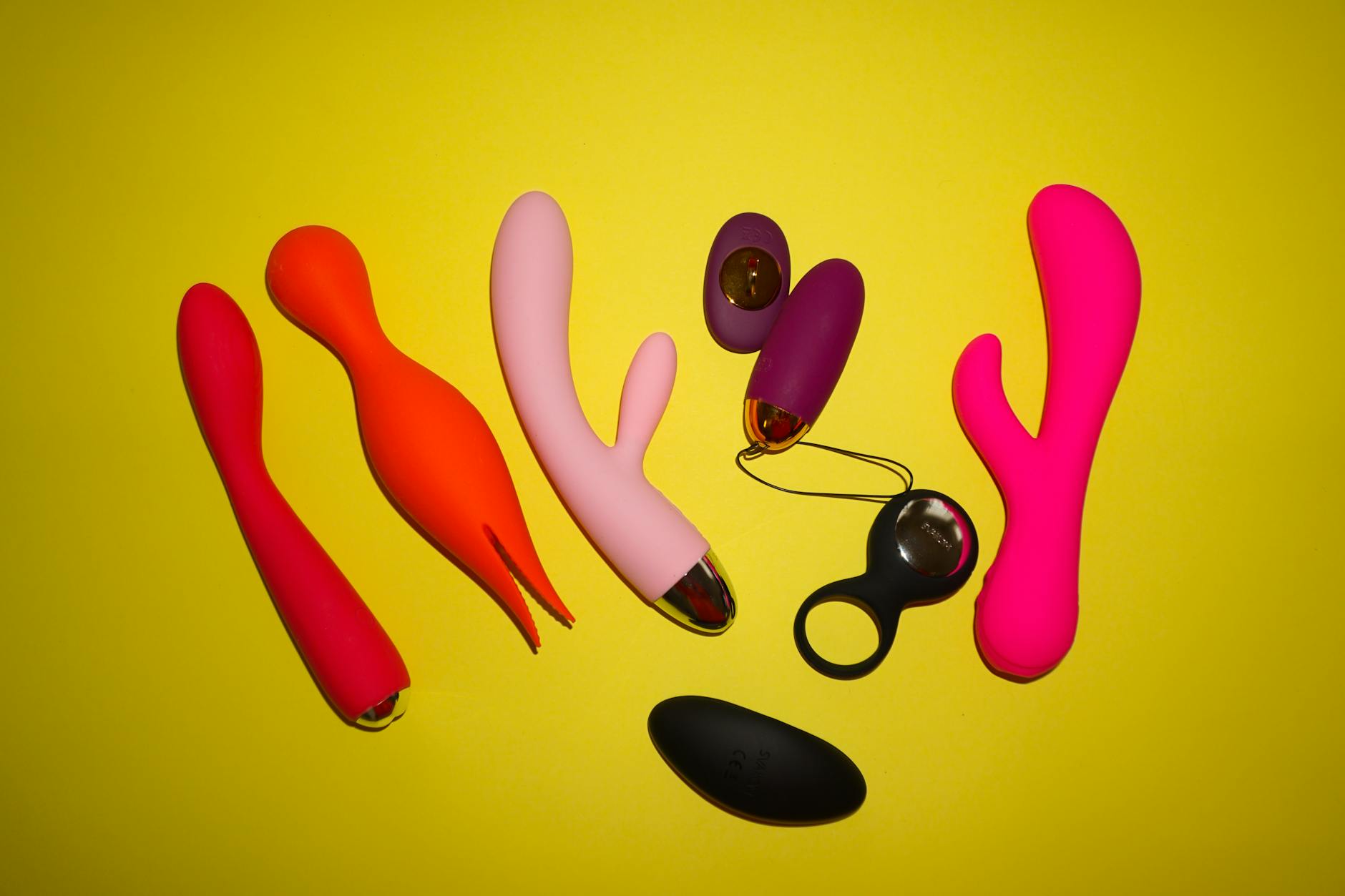
How to Use Lemon Vibrators When Recovering From Sexual Trauma
Let's be real: the idea of pleasure after trauma can feel impossible, wrong, or even dangerous. Your body has learned to protect itself by shutting down. That's not broken. That's survival.
But survival isn't the same as living. And reclaiming pleasure is actually one of the most powerful ways to tell your nervous system that you're safe now.
Clitoral vibrators, especially suction-style lemon vibrators, can be part of that reclamation. Not because they'll magically heal anything, but because they're designed to work with how your body needs to be touched right now. Let me walk you through how to use them in a way that prioritizes control, safety, and actual consent with yourself.
Why suction-based clitoral vibrators feel different after trauma
Trauma changes the nervous system. It's not poetic. It's biochemical. Your body's threat detection gets turned up so high that even neutral sensations read as danger. Traditional vibrators, which use friction and direct pressure, can amplify this. They demand a lot from a nervous system that's already been overwhelmed.
Suction stimulation works differently. With a lemon vibrator, the sensation is gentler, more contained, and requires less sustained pressure. The suction engages nerve endings without the relentless mechanical vibration that can feel invasive. For many people rebuilding after trauma, this distinction matters enormously.
The other thing: you have complete control. You set the intensity, the duration, the pattern. This isn't about what someone else wants from your body. It's about what you decide, moment by moment. That agency is the healing part.
Starting from absolute zero: first steps
If you haven't touched yourself sexually since the trauma, that's normal. Your body is protecting you. Moving forward isn't about pushing past that protection. It's about gradually teaching your body that this time is different.
Start with your body fully clothed. Hold a lemon vibrator. Let your hands get used to its weight, its shape, its texture. No pressure to use it yet. Just familiarity.
Then, in a space where you feel completely safe and alone, start with a bath or shower. Water is disarming. It creates a sense of cleansing and renewal that many people find helpful. Sit with your body for a few minutes before introducing the vibrator at all.
When you're ready, use the vibrator on your outer thigh, your calf, your forearm. Places that feel distant from the trauma. The goal isn't arousal. It's reconnection. You're teaching your nervous system that this object, in your control, isn't a threat.
Building a personal safety protocol
Trauma survivors benefit from ritual and structure. That's not anxiety. That's wisdom.
Before touching yourself, develop a simple protocol: a specific time, a specific space, a specific activity that signals to your body that this is healing time, not unsafe time. Light a candle. Put on music. Wash your hands. Lock the door. These small acts tell your nervous system exactly what's happening and why.
Have water nearby. Have a phone accessible if you need to call someone. Know where your exit is, metaphorically and literally. Know what words or actions will ground you if you start to feel triggered.
If at any point you feel unsafe, stop immediately. There's no failure here. You paused. That's the whole point of the exercise.
Introducing sensation: the four-layer approach
I teach this in therapy for good reason. It works.
Layer one: hand on your own body, no vibrator. This is about reconnection without the intensity. Spend at least two sessions here. Notice where touch feels safe. Notice where it feels hard. Don't judge either response.
Layer two: vibrator on low intensity, on external areas first (outer lips, mons pubis, inner thighs). Again, no pressure to feel aroused. You're building tolerance for stimulation, not chasing orgasm.
Layer three: one to two sessions of the same, but slightly longer. Your nervous system is learning that sustained sensation doesn't mean danger.
Layer four: only when you feel genuinely ready, introduction to the clitoral area itself. Start with the hood, not direct contact. Use the lowest intensity setting. The goal is 30 seconds of gentle suction, then a break.
This progression can take weeks or months. That's not slow. That's exactly right.
What to do if you start to feel triggered
Triggering during touch is common. It doesn't mean you're failing. It means your body just encountered something that reminds it of the original trauma.
Here's the protocol: stop touching immediately. Name what you're noticing without judgment. "I feel my chest tightening. I feel panic. I feel numbness." Don't try to push through it. Ground yourself using the 5-4-3-2-1 technique: name five things you can see, four you can touch, three you can hear, two you can smell, one you can taste.
Remind yourself: I am safe now. This is my body. I'm in control.
Many trauma survivors find that having a trusted person in the next room, or available by text, helps. You don't have to tell them what you're doing. Just knowing you're not alone can shift your nervous system state.
If triggering happens frequently, pause the vibrator work and talk to a trauma-informed therapist. Healing isn't linear, and sometimes you need support to move forward.
The role of partnership (if you have one)
If you're in a relationship, your partner doesn't need to be present during solo exploration. That boundary is yours to set.
But if your partner wants to support you, here's what actually helps: understanding that this is about your body learning safety again. It's not about them. They don't need to do anything, fix anything, or participate. They need to respect your pace, ask permission before touching, and never make your trauma about their pleasure.
Some people find it helpful to tell their partner, "I'm rebuilding my relationship with my own body. It's slow, and that's okay." Others prefer complete privacy. Both are valid.
Lemon vibrators work great for solo reclamation. They're yours alone. That simplicity is often exactly what you need.
When to talk to a therapist
A trauma-informed therapist isn't just helpful during this process. They're often essential.
Specifically, look for someone trained in somatic experiencing, EMDR, or trauma-focused CBT. These approaches work with the nervous system itself, not just the story you tell about what happened. A good trauma therapist can help you decode which sensations are triggering and why. They can build a personalized safety plan with you. They can help you understand the difference between "my body saying no" and "my trauma saying no."
You don't need permission to heal on your own. But you also don't need to do it alone.
The long game: pleasure as reclamation
Here's what I've seen in my practice over decades: pleasure is not frivolous after trauma. It's subversive. Every time you choose to feel good in your own body, you're telling your nervous system, "The trauma happened. It was real. And I'm still here. And I still deserve to feel good."
Orgasm doesn't prove anything. Orgasm isn't the goal. But if, three months or three years from now, you're using a lemon vibrator and you feel a genuine moment of connection, of safety, of yes, that's you taking your life back.
That's healing.
People also ask
Is it normal to feel nothing when using a clitoral vibrator after trauma?
Completely normal. Trauma can create numbness as a protective response. Your nervous system is literally dampening sensation so it doesn't have to process threat. Numbness isn't a sign that you're broken. It's a sign that your body has been working incredibly hard to keep you alive. As you rebuild safety, sensation often returns. Sometimes slowly, sometimes in waves. There's no timeline.
Can using a vibrator re-traumatize me?
It's possible, which is why the safety protocols matter. But here's the difference: when you're re-triggered, you can stop immediately. You're in control. That control is actually healing in itself. If you find that vibrator use consistently triggers you, pause it and work with a therapist first. Your pace is the right pace.
Should I tell my therapist I'm using a vibrator for trauma recovery?
Yes. A trauma-informed therapist will understand that this is part of your healing toolkit. They can help you notice patterns, troubleshoot if things aren't working, and celebrate progress. If your therapist shames you or dismisses this, find a new therapist. This work deserves support, not judgment.
How long does trauma recovery take when you're rebuilding pleasure?
There's no fixed timeline. Some people feel shifts in weeks. Some take years. Healing isn't linear. You might have a month of progress, then a month of numbness, then progress again. All of that is normal. What matters is consistency and self-compassion, not speed.
What if I have a partner and they want to be involved?
Your healing is yours first. If you want your partner involved eventually, that's your choice to make on your timeline. Clear communication helps. "I need solo space to rebuild my relationship with my own body" is a complete sentence. A good partner will respect that.
Can lemon vibrators actually help with trauma, or is this just marketing?
A vibrator isn't a cure. Nothing is. But suction-based stimulation, in your control, in a safe space, can be one tool among many. The real healing work is nervous system regulation, processing the trauma with a therapist, and gradually rewiring your relationship with sensation. The vibrator is just the vehicle. The safety protocol is what matters.
You deserve pleasure again
Recovery isn't about forgetting what happened. It's about refusing to let it define what's possible for you moving forward. Pleasure is one small part of that refusal.
Start where you are. Use what works. Trust your body's signals. And if you need support, reach out to a trauma-informed therapist or counselor. Your healing matters.
For more on rebuilding connection in intimate relationships, explore how Lemon Vibrators improve intimacy when rebuilding after infidelity or learn about using Lemon vibrators during relationship transitions and reconnection.
If anxiety about arousal feels bigger, check out our guide on how to use Lemon vibrators when anxiety prevents arousal.
Questions? We're here. Contact us anytime at /contact.