The conversation nobody wants to have
Your partner used to want you. Now they don't seem to want much of anything. The desire that was reliable, predictable, even routine, has just evaporated. You're confused. Maybe a little angry. Maybe terrified it means something about the relationship itself.
Here's the thing: a sudden libido drop is almost never about the relationship. But if you ignore it or let it fester, it absolutely can become one.
What actually kills desire (and why it's not personal)
Libido doesn't work like a light switch. It's a system that requires fuel: sleep, stress levels, hormones, medication, health, mental space, and yes, sometimes just baseline mood. When one of those things breaks, desire goes quiet.
The most common culprits are stress (work, money, family), depression or anxiety (even subclinical), sleep deprivation, medication side effects, health changes, or sometimes just burnout from life in general. For people who menstruate, hormonal shifts from birth control, IUDs, or cycle changes can tank desire overnight. For all bodies, testosterone naturally fluctuates with age, season, and stress levels.
None of this is about attraction. None of it is a referendum on you or your partnership.
Why the standard advice fails
Most couples do one of two things when desire drops: they either panic and push harder, or they shut down completely and wait for it to return on its own. Both strategies make things worse.
Pushing harder (more date nights, more initiating, more intensity) adds pressure to a nervous system that's already depleted. Your partner feels the weight of your need on top of their own struggle. They feel guilty. They retreat further. Intimacy becomes another obligation instead of something they want.
Shutting down and waiting is equally damaging. Resentment builds. You feel rejected. They feel unseen. The gap widens.
What lemon vibrators actually solve in this situation
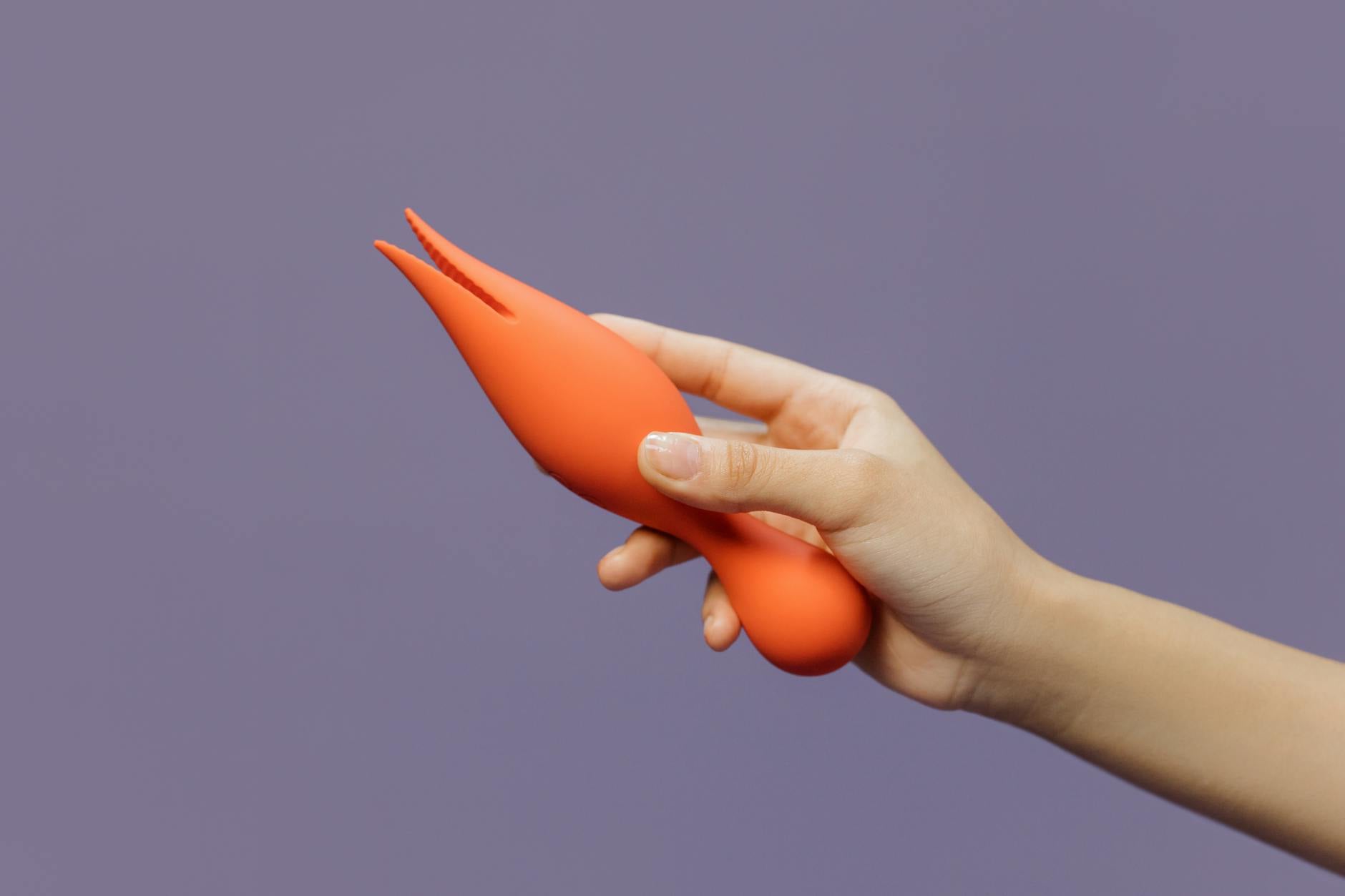
A good clitoral vibrator like the Lem doesn't fix the underlying cause of low libido. It does something more useful: it removes the pressure equation entirely.
When you introduce a lemon vibrator or lemon clitoral vibrator into the mix, sex stops being about "are you turned on for me right now" and becomes "let's explore pleasure together, with a tool that works for your body." That shift is massive.
Here's why it works:
It removes performance pressure. When desire is low, the body takes longer to warm up and respond. A lemon sucker or air-suction vibrator bypasses that entirely. Your partner doesn't have to wait for arousal to build naturally. They can experience sensation and pleasure on their own timeline, at their own pace, without feeling like they're failing to get ready fast enough.
It reframes intimacy. Instead of "prove you want me," the conversation becomes "let's play together." That's a completely different emotional experience. One is transactional. The other is collaborative.
It keeps pleasure alive while you solve the real problem. Depression, stress, and medication side effects take time to address. A partner with low libido might need therapy, a medication adjustment, a doctor's visit, or just weeks of better sleep. In the meantime, lemon vibrators let you maintain physical connection and pleasure without either of you feeling broken or rejected.
How to introduce this without it blowing up
Timing matters here. This is not a conversation to have during intimacy or immediately after your partner has turned you down. It's also not something to surprise them with.
Instead: pick a calm moment, not in the bedroom, and be honest about what you're noticing and what you're feeling.
"I've noticed your interest in sex has shifted lately. I'm not upset about that. I know things are stressful right now. But I'm feeling disconnected from you, and I miss that part of our relationship. I was thinking we could try something that might feel good for your body without pressure. Would you be open to that?"
That sentence does three things at once. It acknowledges the shift without blame. It owns your own feelings. It offers a tool, not a demand.
If your partner is willing to explore, you're already most of the way there. If they're defensive or resistant, that's information too. That conversation might need to happen with a therapist present.
The actual mechanics when you're together
Start slow. This isn't about intensity or proving something.
Set a time when you're both rested enough, and the environment feels safe. Turn off phones. Dim lights. You don't need rose petals and candles, but you do need permission to be present.
With a lemon clitoral vibrator, your partner can explore what feels good on their own. You can be present and supportive, or you can use the time for your own pleasure. Both are fine. The point is that you're in it together.
Start on the lowest setting. The first time someone uses a clitoral vibrator, intensity can feel overwhelming. Let them control the vibrator entirely. Your job is to be present, not to manage their pleasure.
If they want you involved, fantastic. If they prefer to explore solo while you're together, that's equally valid. Low-desire partners sometimes find it easier to reconnect with pleasure when there's less performance pressure.
Many partners find that once desire starts to rebuild, even a little, it builds momentum. Pleasure begets pleasure. Orgasms restart the reward loop. Within a few weeks, you might find their libido organically returning.
The conversation you also need to have
Lemon vibrators are a bridge, not a permanent solution. While you're using them, you also need to be investigating the actual cause.
Is your partner stressed? What would help? More boundaries at work? Therapy? Money conversation?
Are they on new medication? Talk to their doctor about side effects. Many medications that tank desire have alternatives that don't.
Are they depressed? That's a medical issue. It's not something willpower or more sex toys can fix.
Have they had a health change? Post-pregnancy? Hormonal IUD? Thyroid issues? Those all land differently on desire.
Make space for the real conversation alongside the tool. Lemon vibrators and lemon sexual toys create an opening. You have to walk through it with actual curiosity about what's going on for your partner.
When you need professional help
If desire is still absent after a few weeks, or if your partner refuses to explore what's going on, or if the drop in desire is accompanied by other changes in mood or behavior, get to a therapist.
Low libido can signal depression, hormonal issues, relationship problems, trauma, or medical conditions that need professional attention. A good couples therapist can help you navigate this without blame or shame on either side.
Your pleasure matters. Your partner's pleasure matters. Your connection matters. Sometimes a lemon vibrator is enough to keep that alive while you figure out the rest. Sometimes you need more support than a toy can offer. Both are completely normal.
People also ask
Can lemon vibrators really help when someone has lost interest in sex entirely?
They can help, but only if your partner is willing to explore them. A vibrator can't create desire from nothing. What it does do is remove the performance pressure that often makes low-desire partners feel worse. Once the shame and guilt lift, sometimes desire can start to return on its own. But the underlying cause (stress, medication, depression, health issues) still needs attention.
What if my partner thinks using a vibrator means they're failing me?
That's a belief worth challenging gently. A lemon clitoral vibrator isn't a replacement for your partner. It's a tool that works with their body when their body is struggling. Lots of people use vibrators and clitoral vibrators in partnerships for all kinds of reasons. Low libido is just one of them. If your partner is feeling shame about using one, that might signal deeper beliefs about sex and pleasure worth exploring with a therapist.
How long should I wait for desire to come back before I get concerned?
A few weeks of low desire during a stressful period is normal. A few months without any change, or a sudden complete loss of interest, warrants a doctor's visit. Your partner's primary care doctor can rule out thyroid issues, hormonal imbalances, medication side effects, and other medical causes. If the medical stuff checks out, a therapist makes sense.
Is it normal to feel rejected when my partner's libido drops?
Completely. You're allowed to feel sad, frustrated, or disconnected when intimacy shifts. Those feelings are valid. The trick is expressing them without blame. "I feel disconnected from you" is different from "you never want me anymore." One opens a conversation. The other shuts it down.
If we use lemon vibrators, will my partner get dependent on them?
No. Bodies don't become "addicted" to vibrators. What sometimes happens is that people realize vibrators feel good and want to keep using them. That's not dependency. That's preference. Many partnerships incorporate vibrators and lemon vibrators long-term alongside partner sex. There's nothing wrong with that.
What if using a vibrator makes the libido issue worse?
It shouldn't, if you're approaching it with care and without pressure. But if your partner tries it and feels more anxious or disconnected afterward, stop. Go back to basics. Focus on non-sexual touch. Rebuild trust and safety first. The tool isn't the goal. Connection is.
Moving forward together
Low desire in a partnership is one of the hardest things to navigate because it touches intimacy, attraction, and self-worth all at once. A lemon vibrator won't fix the relationship issue. But it can hold the space open while you figure out what's really going on.
Start the conversation with curiosity instead of blame. Explore pleasure as collaboration instead of performance. Get professional help if you need it. And remember: this chapter of your relationship doesn't define the whole story. Most couples who get through a libido dip come out stronger on the other side, with more honesty and less assumption.
For more on navigating desire shifts with a partner, read about how to use lemon vibrators during relationship transitions and reconnection. You might also find how to use lemon vibrators when rebuilding desire after grief or loss helpful if larger life changes are at play.