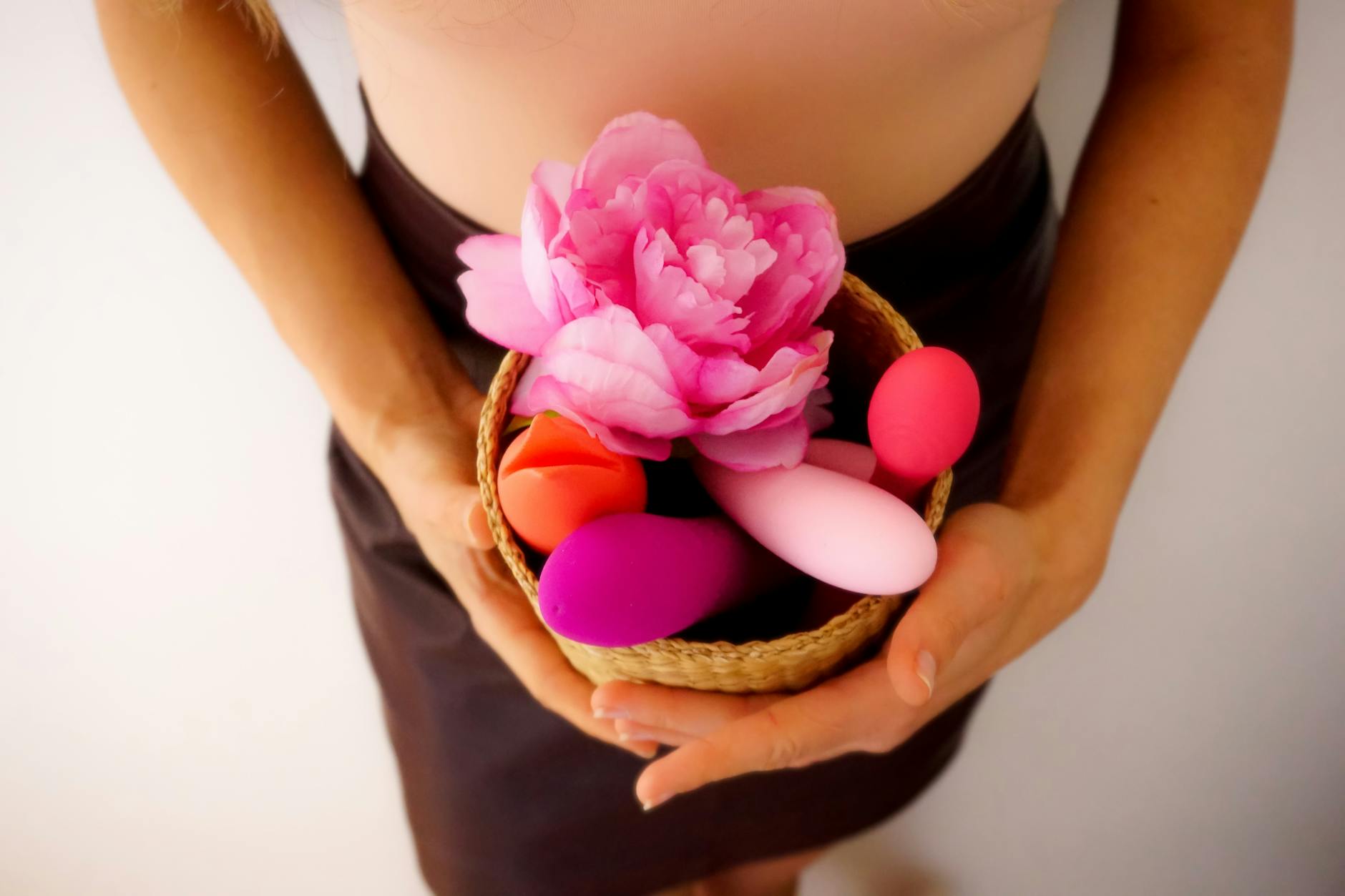
How to Use Lemon Vibrators When Estrogen Drops During Perimenopause
Let's be real. Perimenopause rewires pleasure faster than you'd expect.
Estrogen doesn't just vanish overnight. It dips, rises, dips again over months or years, which means your clitoral tissue, lubrication, and arousal speed are all in flux. Most guides skip the perimenopause phase entirely, jumping straight to menopause advice. That's a mistake because perimenopause is its own animal. Your body isn't failing. It's adapting. And clitoral vibrators like lemon sexual toys adapt too, if you know how to use them differently.
I've worked with hundreds of people navigating this transition. The ones who thrived weren't the ones who ignored the changes. They were the ones who got curious about what their body was actually asking for.
What estrogen dropping actually does to pleasure
Here's the physiological truth without the drama. Estrogen supports blood vessel health, tissue thickness, and nerve sensitivity in the vulva. When it fluctuates during perimenopause, three concrete things shift:
First, clitoral tissue gets thinner. Not damaged, not broken. Thinner. That means the same vibration intensity you loved at 35 might feel sharp or uncomfortable at 45. Second, vaginal lubrication decreases even before you're fully menopausal. Your body produces less natural wetness, which changes how friction feels and how quickly arousal builds. Third, blood flow to the clitoris slows slightly. Arousal used to be a quick climb. Now it's more of a gradual ascent.
But here's what doesn't change. The number of nerve endings in your clitoris stays the same. Your brain's capacity for pleasure stays the same. Your ability to orgasm stays the same.
The confusion happens because sensation feels different, and people assume it means less. Wrong. Different is not less. Different is an opportunity to recalibrate.
Why lemon vibrators shift things in your favor
Traditional vibrators rely on friction. They buzz directly against tissue. That works beautifully when tissue is thick and hormone-rich. During perimenopause, friction can feel too intense, almost raw. Lemon clitoral vibrators like the lem use suction instead. Suction creates stimulation through gentle pressure and release rather than direct contact. This matters because suction actually works better on thinner, more sensitive tissue. You get intense sensation without the abrasive feel.
When estrogen is dropping and your clitoris feels tender or reactive, a lemon sucker gives you the same orgasmic intensity with a gentler approach. That's not compromise. That's smart adaptation.
How to adjust your technique during fluctuating hormones
Three things change when you're in perimenopause:
Start lower, build slower. Hormonal shifts mean arousal doesn't peak as fast. Instead of jumping to intensity level 4 or 5, begin at level 1 or 2 on your lemon vibrator. Give yourself 20 to 30 minutes instead of your old 10 minutes. This isn't a setback. More time exploring your own body is a gift, not a punishment. You'll notice sensations you missed before.
Lubricate generously. Even if you produce some natural wetness, add water-based lube to your routine. It's not because something's wrong. It's because thinner tissue benefits from glide. Lube also makes suction feel smoother and less adhesive. Apply it around the clitoral area, not just inside. The external tissue needs it too.
Keep sessions shorter but more frequent. During perimenopause, your tolerance for long sessions sometimes dips. Your nervous system gets overstimulated faster. That doesn't mean you've lost capacity for pleasure. It means your nervous system is recalibrating. Try three 15-minute sessions across the week instead of one marathon hour. You'll often reach deeper, more satisfying orgasms this way.
The pelvic floor shift you probably haven't heard about
Perimenopause loosens pelvic floor support. Estrogen keeps those muscles toned. When it dips, they relax. That sounds like it might make orgasms weaker, but it's actually more complex. A looser pelvic floor means orgasms sometimes feel more diffuse, less concentrated. They spread across a wider area instead of tightening into a sharp peak.
Many people misread this as "my orgasms are getting worse." Nope. Your orgasms are changing shape. Some of my clients actually report that dispersed orgasms feel longer and more satisfying. Intensity isn't everything. Duration and fullness matter too.
If you want to play with this, try some gentle pelvic floor awareness. Kegels (tightening your pelvic floor) are fine, but the real game-changer is learning to relax your pelvic floor fully. When you're using a lemon clitoral vibrator, consciously soften your pelvic floor instead of gripping. Let your orgasm spread. You might find something richer on the other side.
Lubrication, sensation, and the estrogen-desire loop
Here's something nobody tells you. During perimenopause, desire can feel weaker not because you're less interested in pleasure, but because your body isn't sending the same hormonal signals. Estrogen and testosterone both drop, and both fuel desire. Lower hormones mean lower automatic sexual urge.
This is where context matters massively. If you're also stressed, experiencing relationship friction, or dealing with other life transitions, the estrogen drop gets blamed for everything. Sometimes it is estrogen. Sometimes it's burnout wearing a hormonal disguise.
With a partner, the most useful thing you can do is separate the two conversations. "My body is responding differently" is different from "I'm stressed about us." Confusing them turns both conversations into dead ends. With lemon sexual toys and solo exploration, you're getting direct information about what your body actually wants right now, untangled from relationship dynamics.
When to add additional support
If pain shows up during or after using a lemon vibrator, stop and pause. Perimenopause doesn't hurt. If it does, that's your body signaling something needs attention. A gynecologist trained in perimenopause or menopause can check for genitourinary changes or other tissue issues. Many are highly treatable with topical treatments or lifestyle adjustments.
If you want to explore hormone support during perimenopause, that's a conversation worth having with a healthcare provider who understands sexuality. Some people benefit from low-dose HRT during this phase. Others thrive with lifestyle shifts alone. There's no one answer. The point is asking the question.
The frame shift that changes everything
Most people approach perimenopause pleasure like a problem to solve. Your body used to work one way, now it works differently, so something broke. That's backwards. Your body isn't broken. It's evolving. Perimenopause isn't a decline. It's a reorganization.
When you use lemon vibrators or any clitoral vibrator during this phase, you're not trying to recreate what you had at 30. You're discovering what works at 45 or 50. That's a completely different project. And honestly? That project is often richer, more intentional, and more deeply satisfying than anything that came before.
Your pleasure hasn't ended. It's just asking you to pay attention in a new way.
FAQ
Is it normal for orgasms to feel different during perimenopause?
Completely. Estrogen fluctuations change blood flow, tissue thickness, and nerve sensitivity. Orgasms often feel less peaked and more diffuse during this phase. Some people describe them as broader or longer instead of sharp and concentrated. This isn't worse. It's different. Many people actually prefer the new shape once they stop fighting it.
Can I use the same intensity setting on my lemon clitoral vibrator as I did before perimenopause?
Often not at first. Thinner tissue during perimenopause sometimes reacts to the same intensity level as sharp rather than pleasurable. Start at lower settings and work up. You might eventually return to your old levels, or you might find you prefer a gentler approach. Your body will tell you what works. Listen to it.
Does water-based lube damage lemon vibrators?
No. Water-based lube is safe for silicone toys like most lemon adult toys. In fact, lube makes suction-based vibrators work better by reducing adhesion and creating smoother glide. Apply generously and reapply as needed during longer sessions.
How long does it take for pleasure to readjust during perimenopause?
There's no fixed timeline. Perimenopause itself lasts 4 to 10 years for most people. Your pleasure won't stabilize into a "new normal" until hormones fully stabilize. In the meantime, expect month-to-month variation. One week you'll feel highly sensitive. The next week less so. That's normal.
Should I try hormone therapy if perimenopause is affecting my pleasure?
That's a personal decision between you and a healthcare provider who understands both hormone health and sexuality. Some people benefit from HRT during perimenopause. Others find lifestyle adjustments, like stress reduction and lube, are enough. There's no should here. Only what works for your body and your life.
Can lemon vibrators help rebuild sensation that feels numb during perimenopause?
Yes. Suction-based stimulation like the lem can sometimes wake up sensation that feels distant or numb. The gentler pressure of suction creates a different nerve pathway than traditional vibration, which helps rebuild awareness. How to Use Lemon Vibrators When Clitoral Sensation Feels Numb During High Stress Periods dives deeper into rebuilding sensation across different contexts.
What comes next
Perimenopause is long. Pleasure during this phase isn't something you figure out once and then coast. It's something you check in with regularly, like you're constantly learning your body's new language. That feels tedious if you frame it as loss. It feels like discovery if you frame it as adaptation.
Lemon vibrators, specifically suction-based clitoral vibrators like the lem, work particularly well during hormonal transitions because they don't demand thick, hormone-rich tissue to feel intense. They create sensation through pressure and release, not friction. That's why so many people in perimenopause find them revelatory.
Your pleasure isn't ending. It's reshaping. And you get to decide how that looks.
If you're navigating perimenopause alongside relationship changes or other life transitions, we're here to help. Get in touch if you want to explore this more deeply.