Burnout doesn't just steal your time. It steals your desire.
You know the pattern. Work runs you ragged. By evening, you're a husk. Your partner tries to initiate. Your body feels like it belongs to someone else. Desire? It's somewhere in a filing cabinet you can't remember opening. And honestly, that's not a personal failing. That's burnout doing what burnout does.
Here's what most people don't realize: reconnecting with pleasure after burnout isn't about forcing yourself to want sex again. It's about waking up your nervous system so your body remembers what it feels like to want anything at all.
Why burnout kills desire in the first place
Burnout is a cocktail of chronic stress, emotional exhaustion, and the feeling that nothing you do matters. Your nervous system gets stuck in threat mode. Cortisol stays elevated. Your brain categorizes pleasure as a luxury, not a need, and starts protecting you from it. It's like your body is holding up a sign: we don't have resources for that right now.
The secondary problem is attention. Burnout compresses your focus down to survival. Everything outside the immediate crisis gets deprioritized. Your libido, your partner, your own needs. All of it feels less urgent than finishing the email thread at 11 PM.
Then there's the identity piece. If you're someone who's been performing competence and reliability in your work life, by the time you get home, you have nothing left for the performance that sex can require. You don't want to do anything. You want to disappear.
Why pleasure actually helps you recover faster
This seems backwards. Shouldn't rest come first? Here's the thing: deliberate, low-pressure pleasure (not sex, not obligation, just sensation) is a fast-track reset for your nervous system.
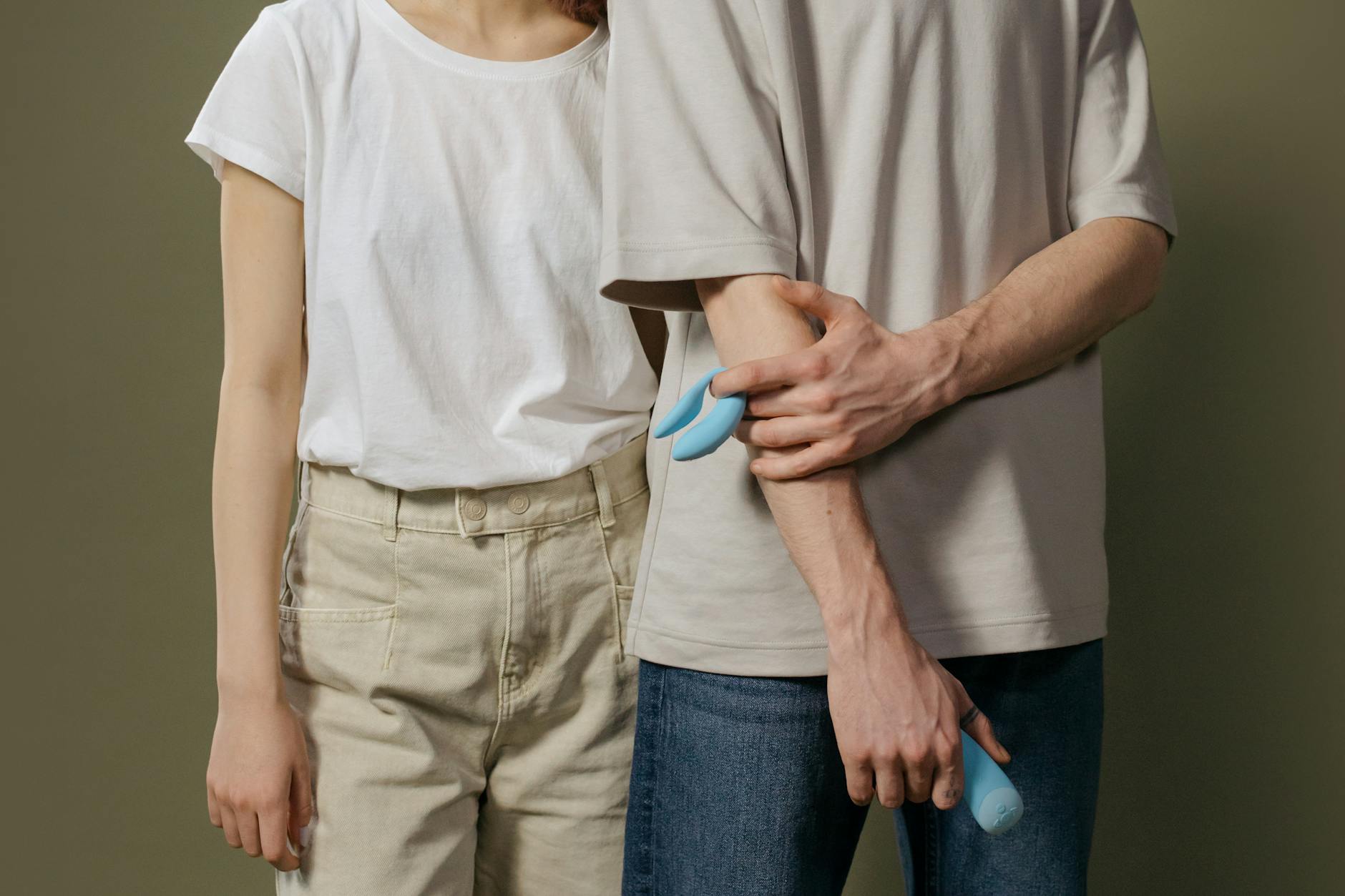
When you engage in solo pleasure with a lemon vibrator, you're doing several things at once. You're giving your brain a clear signal that you're safe enough to feel good. You're flooding your system with dopamine without the social performance layer that sex requires. You're also remapping your attention. For fifteen minutes, you're not solving problems. You're just receiving sensation. That's revolutionary when you've been in survival mode.
The clitoral suction technology in devices like the Lem works particularly well after burnout because it doesn't require much of you. No complex choreography. No timing around a partner. No worry about whether you're doing it "right." You hold it in place and let it do the work. Your only job is to notice what feels good.
The practical framework for reawakening desire
Here's how I work with burned-out clients who want to reconnect with pleasure.
Start with permission. You're not being selfish. You're not avoiding your relationship. You're doing nervous system maintenance. Say that out loud if you need to.
Schedule it like a non-negotiable. Burnout thrives on spontaneity and guilt. Instead, pick a time. Tuesday at 7 PM. Sunday morning. Whatever. Put it in your calendar. This removes the decision fatigue and the guilt spiral of "when should I do this."
Reduce friction to zero. Keep your lemon vibrator charged. Keep it somewhere you can access without twelve steps. Friction kills intention every single time. If you have to hunt for it or charge it, you won't.
Start small and slow. Five minutes is enough. You're not trying to orgasm on a deadline. You're practicing the feeling of being present in your own body. That's it.
Pay attention to what actually feels good. Burnout often comes with numbness. You might notice that certain patterns don't work the way they used to. That's data, not failure. Use a lemon clitoral vibrator at the intensity level that feels like pleasure, not obligation. Usually that's patterns 1-3 on the dial. You can explore higher intensities later, after your system has reset.
What to expect in the first two weeks
Don't expect instant desire. That's not how nervous systems work. What you might notice instead: a brief moment where your breathing changes. A second where you think about something other than your to-do list. Restlessness that wasn't there before. These are signs your system is waking up.
Some people feel emotional. Pleasure after months of shutdown can crack open feelings you've been holding down. That's normal. Cry if you need to. Your body is learning it's safe again.
Most people also notice better sleep, slightly more patience with partners, and a faint version of something that might become desire. None of this is dramatic. It's the opposite. It's subtle waking.
How to talk to a partner about this
If you have a partner, you might worry this is a signal that you don't want them. You might also worry they'll feel rejected or replaced. Both feelings make sense. Here's what I actually recommend saying: "I'm going to rebuild desire by reconnecting with myself first. This is about me, not about you. And it's going to make me better with you eventually."
If your partner is also burned out, this might actually open a conversation about pleasure in your relationship that wasn't possible before. Sometimes watching someone else prioritize their own reconnection gives permission for both people to do the same.
If your partner pushes back, that's information too. Sometimes burnout in work reveals things about the relationship that need attention. That's a conversation for a couples therapist, not a quick fix.
The bridge back to partnered sex
Once you've spent a couple weeks reconnecting solo, you might notice desire starting to show up. It's usually small. You think about your partner's hands. You feel something in your body that's not quite arousal but is in that direction. That's the moment to slowly introduce partnership back in.
Here's what helps: tell your partner what you've learned. "I like pattern 2 better than pattern 1." "I need more time to warm up right now." "Can we slow down?" You're bringing the knowledge from your solo practice into the shared space.
You can also introduce a lemon vibrator into partnered sex intentionally. Use it on yourself while your partner is present. Use it together. There's no script here. You're experimenting from a place where you already know what feels good, which changes everything.
When desire isn't returning after a month
Sometimes burnout is just the visible part of something else. Depression. Medication side effects. Relationship issues. Hormonal shifts. If you've been consistently using a lemon clitoral vibrator for 4 weeks and literally nothing is shifting, that's worth talking to a therapist or doctor about. Not because you're broken, but because something else might need attention.
I've had clients realize they needed actual time off work, not just solo pleasure sessions. Others discovered they needed to end relationships that were draining them. Some needed medication adjustments. The point is: pleasure can reconnect you with your body, but it can't solve structural problems.
Why this matters beyond the bedroom
Recovering from burnout is about reclaiming your body as your own. When you spend months outside your body, numb and going through the motions, reconnecting with pleasure isn't a luxury. It's the first step toward rebuilding a life that actually feels worth living.
Your desire matters. Your pleasure matters. And you deserve to feel good, even when everything around you is telling you to keep pushing.
People also ask
How long does it take to rebuild desire after burnout?
Most people notice small shifts within 2-3 weeks of consistent solo pleasure practice. Real, meaningful desire usually takes 4-8 weeks, depending on how deep the burnout went. The key is consistency, not intensity. Five minutes every other day beats a weekend marathon.
Can I use a lemon vibrator even if I don't feel aroused at all?
Absolutely. That's actually the best time to start. You're not chasing arousal. You're reintroducing sensation without expectation. You might not feel aroused, but you'll likely feel something. Warmth. Tingling. Relief. That's your nervous system waking up.
Is solo pleasure practice selfish if I have a partner?
No. Taking care of your own nervous system isn't selfish. It's foundational. A burned-out person can't show up fully in a relationship, sexually or otherwise. Rebuilding your capacity for pleasure is actually an investment in partnership, not a withdrawal from it.
What if my partner wants to be involved in my pleasure recovery?
That can work if it's actually what you want, not what you think you should want. Be clear about what helps and what doesn't. "I need this time alone right now" is a complete sentence. Partners who respect that boundary are partners worth keeping around.
Should I be using higher intensity settings on my lemon vibrator after burnout?
Not necessarily. Burnout often comes with numbness, and numbness can make you chase higher intensity. But that can frustrate your recovery. Start at lower settings (patterns 1-3). Your body will tell you when it's ready for more.
What if nothing changes after a month of using a lemon clitoral vibrator?
That's the time to add professional support. A therapist or doctor can help you figure out if something else is underneath the burnout. Sometimes pleasure reconnection needs to happen alongside deeper recovery work.