Your clitoris has a cycle, and nobody told you
Let's be real: nobody teaches you that the clitoris changes sensitivity throughout your menstrual cycle. You're supposed to figure it out alone, feel weird when something that felt amazing last week suddenly feels too intense, and assume something is wrong with you. Spoiler alert: nothing is wrong. Your body is working exactly as designed.
Hormone fluctuations don't just affect desire or lubrication. They directly change how sensitive your clitoris is to touch and stimulation. That means the settings, rhythm, and intensity of lemon vibrators that work brilliantly on day 14 might feel completely off on day 21. Knowing this matters because it lets you stop second-guessing yourself and start working with your body instead of against it.
What actually happens to clitoral sensitivity across your cycle
Your clitoris swells slightly during the follicular phase, which is the time from your period until ovulation. This happens because estrogen is rising, and it increases blood flow to the vulva. More blood flow means the clitoris engorges slightly. Swelling makes it more sensitive to light touch, but paradoxically, it can also feel slightly less intense because the tissue is less compressed.
During ovulation itself, sensitivity peaks. This is when estrogen is at its highest, right before it drops and testosterone takes a small spike. The clitoris is fully engorged, and the nerve endings are firing on all cylinders. This is often when people find the strongest orgasms feel easiest to reach.
Then comes the luteal phase, after ovulation. Progesterone rises, and estrogen drops. The clitoris deswells. The tissue becomes less engorged and slightly denser. This changes how stimulation feels. What felt perfect during ovulation might feel sharp or uncomfortable now. At the same time, many people report needing more intense or consistent stimulation to reach orgasm during this phase. The sensation is different, not worse. Different.
The follicular phase: going lighter
From day 1 of your period through about day 13, you're in the follicular phase. Estrogen is climbing slowly. Your clitoris is becoming more engorged, which sounds good until you realize that means it's more sensitive to touch overall. Light stimulation might feel sharper than usual. Direct friction can feel almost raw.
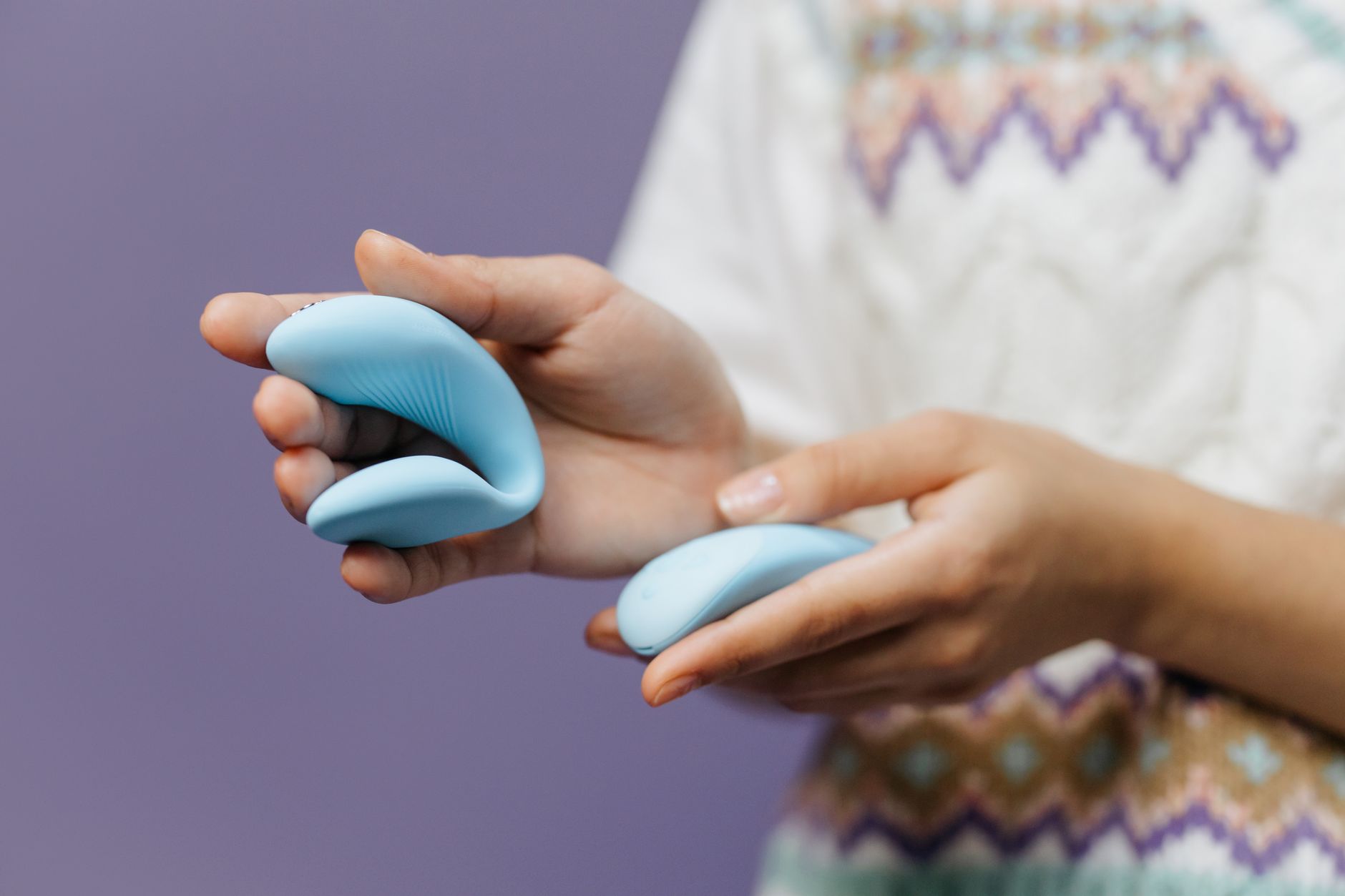
This is when lemon vibrators shine because the suction mechanism doesn't rely on friction. You're not dragging anything across delicate tissue. Instead, you're creating a gentle pull that stimulates the nerve endings without the same intensity as a traditional vibrator would. During this phase, start with the lowest settings on your Lem vibrator and spend more time on gentler patterns.
Many people find that they actually prefer solo exploration during the follicular phase because lighter touch feels better than partnered sex. That's not a sign to worry. That's your nervous system telling you something about what your body needs right now. Listen to it.
Ovulation window: turn it up
Around day 14, ovulation happens. Estrogen peaks right before it drops, and testosterone gets its small spike. Your clitoris is maximally engorged. The tissue is plump and full of sensation. This is when most people find that they can handle intensity more easily.
If you've been staying on setting 2 or 3 during the follicular phase, ovulation is when you might feel ready for setting 4 or 5. The intensity you might have found uncomfortable a week ago now feels good, even necessary. Some people discover their strongest orgasms happen right around this window. This is worth paying attention to because it's often a golden period for partnered sex too. Not because you're obligated to have sex when you're fertile, but because your body literally has more capacity for pleasure right now.
This phase usually lasts 3-5 days. If you track your cycle even loosely, you'll start to recognize when it arrives for you personally. Some clues: slightly higher body temperature (if you track), a shift in cervical fluid, sometimes a sharp pain on one side (ovulation pain is real), and this sudden clarity that you want stronger sensation.
The luteal phase: switching strategies
After ovulation, progesterone rises and estrogen drops. Your clitoris deswells. The tissue becomes less full. This phase lasts about two weeks until your period starts. It gets split into two parts in clinical literature, but what matters for pleasure is that everything feels different.
During early luteal, many people find that the intensity they wanted during ovulation now feels too sharp. The deswell means less cushion over the nerve endings. A pattern that felt perfect on day 14 might feel almost uncomfortable on day 18. This is where people often assume something is broken. Nothing is broken. The sensation is just different because the anatomy is different.
Here's where the suction design of lemon vibrators becomes a problem-solver again. Because suction works through rhythmic compression rather than constant friction, it often feels less jarring during the luteal phase. You can use higher settings without the sharp intensity you'd get from a traditional vibrator at the same power level.
Many people also find that they need longer warm-up during luteal. Your clitoris isn't as engorged, so arousal takes longer to build. Budget an extra 10 minutes. Use lower settings initially and build up. This isn't a step backward. It's just the different rhythm your body needs right now.
Late luteal, especially the few days before your period, is often when sensation dips the most. Some people find pleasure drops off entirely. Others report needing very specific patterns and pressure. Pay attention to what your body tells you. Sometimes the answer is taking a break from deliberate stimulation. Sometimes the answer is switching to a different toy or pattern entirely. Your clitoris during late luteal might actually prefer the rhythm of a traditional vibrator over suction. You won't know until you try.
Menstruation itself: what actually feels good
Some people have zero interest in sexual activity during their period. Some people have incredibly high desire and pleasure capacity. Most people fall somewhere in between depending on the day and their flow. There's no "right" way to feel.
If you do want to use your lemon vibrator during menstruation, the same principles apply. Early in your period, when flow is heavy and cramping might be happening, many people find gentler stimulation soothing. Late period, when flow is lighter, sensation might shift again. Some period orgasms are incredibly pleasurable because the increased blood flow in the vulva from arousal actually helps with cramping. Some feel raw because everything is more tender. You can only figure out what you like through paying attention.
One practical note: water-based lubricant is your friend here, not because you need it for the suction mechanism, but because it makes any existing sensitivity feel less intense. Adding slip makes touch feel softer.
Tracking what actually works for you
Here's the thing that changes everything: you need your own data. Cycle tracking apps are helpful, but what matters more is noting which days you want which settings and patterns on your lemon vibrator. After two or three months, you'll see a pattern emerge.
You don't need a fancy system. A note in your phone that says "day 18: setting 4 felt too sharp, switched to setting 2 and loved pattern 3" gives you real information you can use next month. You're building a map of your own pleasure across your cycle, which is wildly empowering and also just... practical.
Some people find that keeping a short journal of this actually changes how they relate to their cycle entirely. Instead of feeling like their body is unpredictable and difficult, they feel like they're working with it. They plan pleasure around what feels good instead of expecting to feel the same way every day. That mindset shift is bigger than any toy.
When sensitivity shifts shouldn't happen (and when to check in)
Your cycle sensitivity should follow a rough pattern, but there's individual variation. Some people have much more dramatic shifts than others. Some have barely perceptible changes. That's all normal. What's worth paying attention to is sudden change that breaks your pattern.
If you've had a predictable cycle for years and suddenly day 16 feels completely different, or if intensity that used to feel manageable suddenly feels painful, that's worth mentioning to a doctor. Sometimes it's stress or a medication change. Sometimes it's worth investigating. You're not being paranoid to track it.
The same applies if numbness shows up consistently during a phase that usually feels reactive. If your clitoris feels almost numb during a phase when it's usually sensitive, that's information worth exploring with a healthcare provider. It could be stress, circulation, hormonal shifts from birth control changes, or a dozen other things. The point is: your cycle should have a pattern. When it shifts, that's worth understanding.
FAQ
Does ovulation sensitivity change happen for everyone?
No. Some people notice dramatic differences across their cycle. Others barely notice any shift. Variation is completely normal. The average person might notice a 30 to 50 percent shift in sensitivity between follicular and ovulation phases, but some people are much more sensitive to hormonal shifts and others are barely affected. If you don't notice a pattern after tracking for a few months, that's also fine. You can stop tracking and just use your lemon vibrator based on how you feel that day.
Can I use the same setting all month if I pay attention to other things?
Yes. Some people find it easier to keep settings consistent and instead adjust warm-up time, lubrication, or which patterns they use. Instead of changing the intensity dial, they might use lower patterns on day 18 and higher patterns on day 14. There's no rule about how to personalize this. Find what works for your body and your preferences.
What if tracking my cycle makes me anxious about whether I'll "perform" well?
That's a really common response, and it's worth addressing. Tracking is supposed to give you freedom, not create pressure. If you're starting to feel like you need to have great orgasms during ovulation or anxiety about luteal phase sensation, that's a sign the tracking has become stressful. Take a break. Come back to it when it feels like helpful information instead of a source of worry. Your pleasure doesn't need to hit benchmarks on specific days.
Can hormonal birth control change how this works?
Yes. Hormonal birth control suppresses the natural cycle, so you might not notice the same sensitivity patterns. Your clitoris might feel more consistent across weeks, or you might notice a different pattern entirely tied to your pill pack or injection schedule. If you're on hormonal birth control and want to understand your sensitivity patterns, track for a full cycle (or full pack) and see what your baseline actually is. When sensation feels numb after hormonal birth control changes, that's a different conversation worth exploring.
Does the Lem vibrator work better for cycle sensitivity changes than other vibrators?
The suction design of the Lem means it often feels less jarring during phases when your clitoris is desensitized or less engorged. But ultimately, you'll know what works best for your body. Some people love switching to the Lem during luteal. Others find a traditional vibrator works fine as long as they adjust the settings. The best toy is the one that lets you feel what you want to feel on any given day. Lemon Clit Online makes clitoral vibrators designed for precision and control, which gives you the flexibility to match your changing needs throughout the month.
What if my partner gets frustrated that I want different things at different times of my cycle?
That's a conversation worth having outside the bedroom. Partners who understand that you're not being inconsistent, but responsive to genuine biological changes, tend to relax. Frame it the same way you'd explain that you don't want the same meal every day. Your body needs different things at different times. Someone who loves you wants you to have those things.
Your body is your best guide
Here's the thing: nobody knows your clitoris like you do. Cycle sensitivity is real, the patterns I've described are common, but your individual experience is going to be yours. Some months the pattern will be obvious. Some months life stress will override hormones entirely and nothing will feel predictable. That's also normal.
The point of understanding cycle sensitivity is not to create a rigid system. It's to give yourself permission to adjust based on what feels good today. To stop assuming that yesterday's perfect intensity is today's perfect intensity. To work with your body instead of expecting it to be a machine that produces the same output regardless of what's happening inside.
Your clitoris is paying attention to your cycle. You can pay attention too. Lemon Clit Online clitoral vibrators give you the precision to match that attention with exactly the right sensation, exactly when you need it. That's not just about better orgasms, though those matter. It's about knowing yourself well enough to ask for what actually feels good.
Have questions about how your cycle affects pleasure or how to adjust for what feels right? We're here to help.