Here's the thing nobody tells you about aging and pleasure
Most conversations about sexual changes after 40 or 50 focus on what diminishes. Lubrication drops. Arousal takes longer. Orgasms feel different. But there's a whole other experience that gets ignored: some people find their clitoris becomes more sensitive, not less. Touch that felt pleasant at 30 now feels sharp. Vibration that was perfect last year now borders on painful. It's not a medical problem. It's not something you broke. It's just a different nervous system.
If this is you, you're not alone. And the solution isn't to stop using tools like lemon vibrators. It's to adjust how you use them.
Why sensitivity shifts as you age
A few things happen in the nervous system over time. Nerve density can actually increase in some areas as you age, which means more sensation, not less. At the same time, your pain threshold and pleasure threshold don't always move together. You might find that what felt like delicious stimulation at 35 now reads as irritating at 55. This isn't weakness. It's just recalibration.
Hormonal fluctuations also play a role. Even outside of menopause, estrogen levels shift subtly through your 40s and 50s. Lower estrogen can make tissue more sensitive to pressure and friction. Nerve endings that have been dormant become more reactive. It's like turning up the volume on a speaker that was already on.
The clitoris itself has thousands of nerve endings concentrated in a tiny space. As your body ages, blood flow to those nerves may shift, making sensation feel more acute. That's physiological. And it's workable.
The mistake most people make
When sensitivity increases, the instinct is often to avoid toys altogether. "It's too much now," people say. "I'm just too sensitive." The other mistake is to power through with the same settings you've always used, hoping it will feel normal again. Neither approach works.
What actually works is treating heightened sensitivity like you're learning to use a lemon clitoral vibrator for the first time. Because in a real sense, you are. Your body is new. Your preferences have shifted. And there's no shame in starting over with technique.
Lemon vibrators and sensitivity: what changes
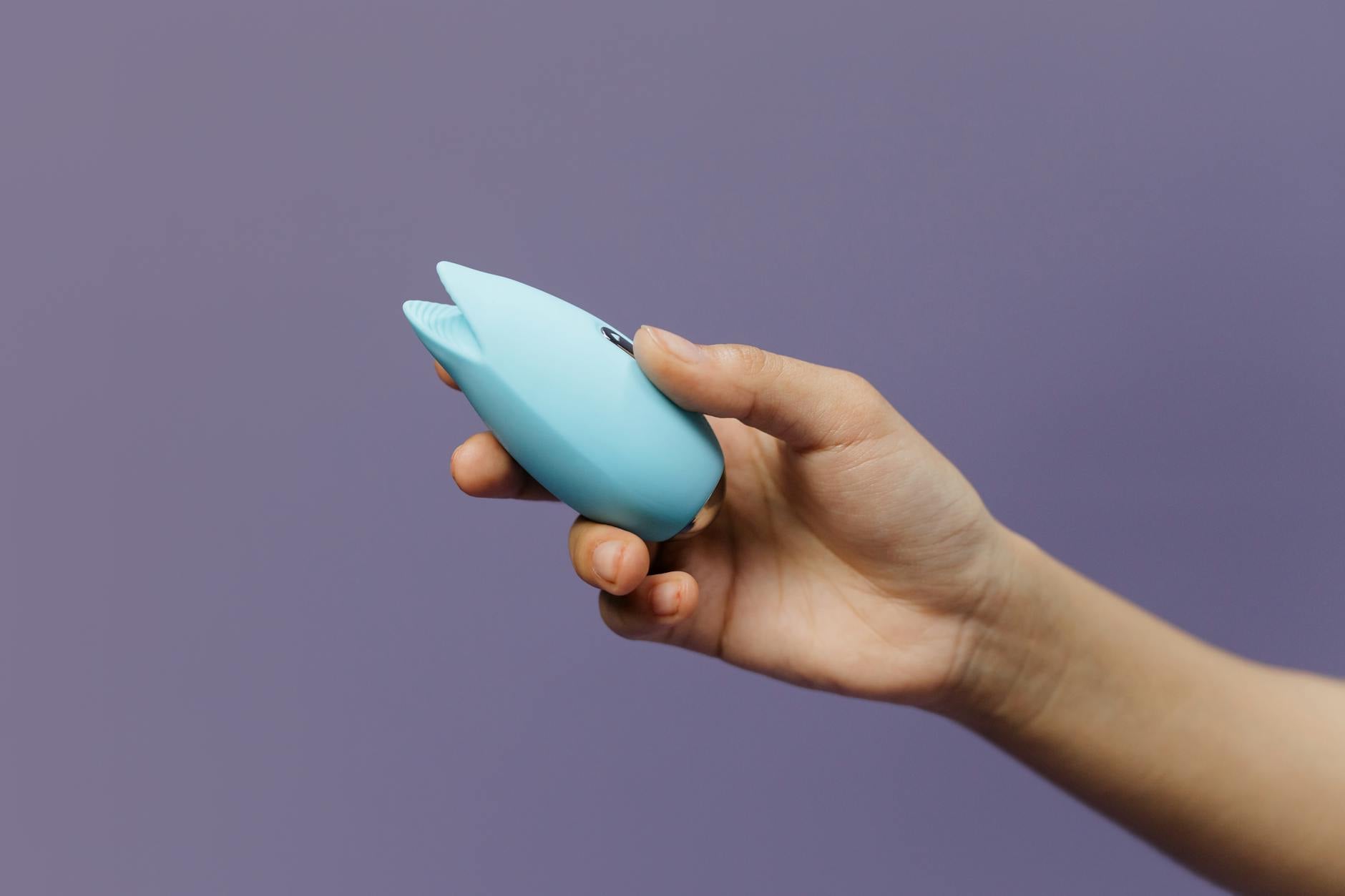
Lemon vibrators, including the Lem and other clitoral vibrators in the lemon range, work through suction and pulsation rather than direct vibration alone. This is actually advantageous when sensitivity increases because suction distributes stimulation across a broader area of tissue, rather than concentrating intense pressure on one spot.
But you'll need to adjust four specific things.
1. Start on the lowest setting and stay there longer. Most lemon vibrators have multiple intensity levels. If you used to start at level 4 or 5, begin now at level 1 or 2. Spend at least 10 to 15 minutes at that level before considering a change. Often you won't need to change at all. The initial sensitivity you feel during the first few minutes settles into something pleasant if you give it time.
2. Use the gentlest suction mode. Many clitoral vibrators have different suction patterns alongside intensity levels. If your model has a "slow" or "gentle" mode, that's your starting point. Explore the pulsing patterns designed for sensitivity rather than for maximum stimulation.
3. Create more distance between the toy and your skin. You can reduce sensation intensity by angling the toy slightly so that only part of the opening makes contact with your clitoris, rather than full contact. This is one of the easiest and most overlooked adjustments.
4. Use water-based lubricant generously. This might seem counterintuitive when sensitivity is high, but lube creates a protective barrier that diffuses sensation. It paradoxically makes intense feeling feel more tolerable by spreading it across a larger area.
How to actually use lemon vibrators with heightened sensitivity
Let's talk mechanics. Here's the sequence that works for most people with increased sensitivity.
Start with foreplay that has nothing to do with your clitoris. Touch your inner thighs, your breasts, your neck. Your sensitivity is localized to one area, not your whole body. Give your nervous system time to warm up through the parts that still feel good. Five to ten minutes of this matters.
Apply lubricant generously. Silicone-based lubes work well here because they're thicker and create more of a buffer. Water-based works too, but you may need to reapply partway through.
Turn on the toy at the lowest setting before you make contact. Let yourself hear it, feel the anticipation. This sounds small, but your nervous system benefits from knowing what's coming.
Make contact gently, angling the device so you're not getting full suction pressure. The goal isn't stimulation yet. It's acclimation. Your clitoris will signal when it's ready for more contact. That signal usually comes as the initial sharpness softening into something that feels good.
Once that shift happens, you can increase pressure slightly, but slowly. If you were using a Lem vibrator before and you used to spend five minutes at level 3, you might now spend the same five minutes moving from level 1 to level 2. Patient progression.
Stop if sensation stays sharp or turns toward pain. Sharp and good are different. Pain is your body saying no. Listen.
When to add more intensity (and when not to)
Sensation can change session to session. You might have a day where level 1 feels perfect, and the next day you're ready for level 2 much faster. This isn't inconsistency. It's normal. Stress, sleep, hormones, what you ate, where you are in your cycle—all of it affects sensitivity.
The rule I recommend: if you're reaching for higher intensity because you're chasing the feeling you used to have, stop. You're not going back to that version. The pleasure might be different, but heightened sensitivity often brings a different kind of intensity. Some of my clients report that orgasms with increased sensitivity feel more focused, almost sharper in their own way. Not everyone experiences it this way, but many do.
If you're reaching for higher intensity because the current level genuinely no longer delivers, then yes, move up. But do it incrementally. One level at a time. Wait at least a week before deciding a setting doesn't work. Your nervous system needs time to adjust.
The pelvic floor piece nobody mentions
When clitoral sensitivity increases, your pelvic floor often tightens automatically. It's a protective response. A tighter pelvic floor amplifies sensation, which makes everything feel even sharper. It becomes a feedback loop.
Breaking that loop means learning to consciously relax your pelvic floor while using a lemon vibrator. This isn't a Kegel. It's the opposite. As you use your device, actively think about softening the muscles around your vaginal opening and anus. Imagine they're melting downward. It takes practice, but it genuinely changes how sensation feels.
How to Use Lemon Vibrators When You Can't Relax Your Pelvic Floor goes deeper into this technique if you find yourself struggling.
When heightened sensitivity means something else
Sometimes what feels like increased sensitivity is actually irritation or inflammation. Pain during use that doesn't resolve, persistent rawness, or sensation that feels burning rather than sharp deserves attention. Talk to a gynecologist, especially if the sensitivity is new and came on suddenly alongside other symptoms like discharge changes or pain during other activities.
Genitourinary syndrome of menopause, dermatological sensitivity, or even a yeast infection can all masquerade as heightened nerve sensitivity. A doctor can distinguish between "my nervous system is more reactive" and "something's inflamed and needs treatment."
The mental shift that matters most
Pleasure with increased sensitivity requires a different mindset. You can't rush it. You can't chase the intensity you remember. You have to meet yourself where you are. This is actually where many people discover that lemon vibrators and clitoral vibrators in general become more useful, not less. Because the suction design spreads sensation out. Because you have control over the pacing. Because you can experiment with angles and pressure in ways that were never available before.
Heightened sensitivity isn't the end of pleasure. It's just a different door into it. And sometimes the view on the other side is better than you expected.
People also ask
Can heightened clitoral sensitivity go away on its own?
Sometimes. If the sensitivity came with a hormonal shift or a specific stressor, it can normalize as your body adapts or circumstances change. If it's neurological aging, it tends to stay, but your perception of it softens as you adjust your technique and expectations. Most people stop noticing the intensity as "too much" once they've been working with it for a few months using the right approach.
Should I use a different lemon vibrator if I have heightened sensitivity?
Not necessarily. Most lemon clitoral vibrators are actually well-suited to sensitivity because they offer intensity control and the suction design distributes sensation. What matters more is technique. That said, if your current device doesn't have good low-end settings or fine-grained intensity control, a vibrator with more graduated levels might serve you better.
Is heightened clitoral sensitivity a sign something's wrong?
Not always. Age-related changes in nerve sensitivity are normal and common. But if the sensitivity appeared suddenly, is painful rather than sharp, or comes with other symptoms like discharge changes, swelling, or pain during other activities, check with a doctor. Those could indicate infection, inflammation, or a dermatological issue that deserves treatment.
Does lubricant actually help with heightened sensitivity?
Yes. It creates a protective buffer that diffuses sensation intensity across a wider area, making sharp feeling feel more tolerable. Water-based and silicone-based both work. Silicone tends to last longer and creates a thicker buffer, which many people with sensitivity prefer.
How long does it take to adjust to heightened sensitivity?
Usually two to four weeks of consistent use with adjusted settings. Your nervous system adapts faster than you'd expect once you're using a technique that works. Many people report that within three weeks of using lower intensity settings and conscious pelvic floor relaxation, sensation feels normal and pleasurable again.
Can a partner help me navigate heightened sensitivity?
Absolutely. Let them know that you're relearning what feels good, and that means slower, gentler pacing. If you're using a lemon vibrator together, you might want to control the settings yourself at first so you can adjust exactly when and how much sensation you want. Communication about what's sharp versus what's good is key.