The sensation shift nobody warns you about
After menopause, clitoral sensation often doesn't feel as sharp. You touch the same spot that used to spark immediately, and there's a lag. Or the sensation feels duller, like someone turned down the volume. That's not in your head, and it's not a permanent goodbye to pleasure either. It's a real physiological shift that responds beautifully to the right approach.
Here's what's happening, and why lemon vibrators change the game for post-menopausal bodies.
Why clitoral sensation changes after menopause
Estrogen doesn't just affect lubrication and tissue thickness. It directly influences nerve sensitivity in the clitoris. When estrogen drops, the nerve receptors that detect vibration and pressure become less responsive. The clitoral tissue itself gets thinner and less engorged during arousal, which means less surface area firing at full sensitivity.
At the same time, blood flow to the clitoris decreases. Less blood means less plumpness, less engorgement, and slower arousal buildup. Everything still works. The nerves are still there. But the signal strength has dropped.
The good news: this is where air-suction technology like lemon vibrators excels. Unlike traditional vibrators that rely on speed and friction, clitoral suckers work through pressure and rhythm. They don't require the same baseline nerve sensitivity to feel intense. They actually bypass some of the sensation bottleneck by stimulating deeper nerve clusters.
What the research actually shows
Studies on postmenopausal sexual function find that while arousal takes longer and sensation changes, orgasm is absolutely still possible. In fact, many people report stronger, more localized orgasms after menopause because they're not dealing with hormonal distraction or the cognitive load of fertility concerns.
The trick is matching the right tool to what your body can feel now. A lemon vibrator isn't just a toy here. It's a workaround that restores the sensation intensity your body used to generate on its own.
How air-suction vibrators work differently
Traditional vibrators buzz at a fixed frequency (usually 50-300 Hz). Your clitoris either feels it or doesn't. If baseline nerve sensitivity is lower, you might need to crank the intensity, which can feel overwhelming or uncomfortable on thinner, more sensitive tissue.
Air-suction vibrators like the Lem work through gentle pulsing pressure and rhythm. They create a seal and release pattern that stimulates a larger nerve network, not just surface nerves. For post-menopausal bodies with reduced sensation, this often feels more satisfying at lower intensities because it hits deeper pleasure zones.
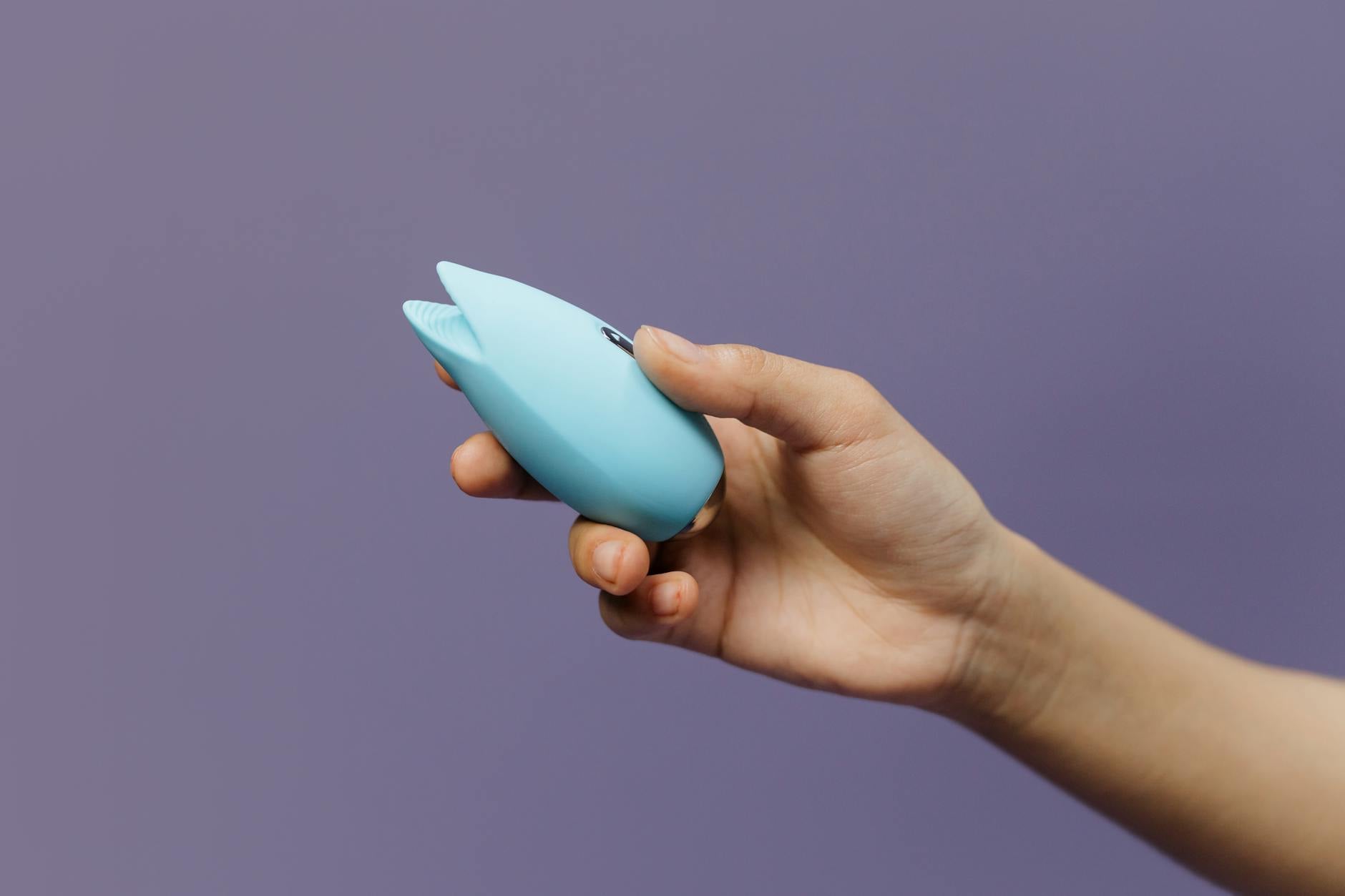
Photo by cottonbro studio on Pexels
The practical setup that works
If you've been using traditional vibrators and sensation feels muted, switching to a lemon clitoral vibrator isn't just about the tool. It's about reframing how you approach stimulation.
Start with the device on the lowest setting. Many people with reduced sensation jump straight to high intensity, assuming they need force. Wrong assumption. Air-suction devices build sensation through rhythm and repetition, not raw power. Spend three to five minutes on setting one or two, letting your body acclimate to the pulse pattern.
Use water-based lubricant. This creates a better seal for the suction cup and also protects thinner post-menopausal tissue from any friction. The lubricant itself becomes part of the sensation.
Position the suction cup fully over your clitoris, not off to the side. Partial contact wastes the technology. Full contact lets the device do what it's designed to do.
Give yourself 15 to 25 minutes if you're used to longer arousal times. Post-menopausal bodies often need more runway. That's not a deficit. It's just the rhythm now.
When intensity actually returns
Something unexpected happens for many people: after using lemon vibrators consistently, sensation sharpens again. This isn't about the tool rewiring your nervous system. It's about nerve density actually responding to regular stimulation and increased blood flow from repeated arousal.
Consistent use for four to eight weeks often produces noticeable shifts in baseline sensitivity. The clitoris becomes more responsive to touch. Arousal builds faster. Orgasms feel more defined.
This means you might start on setting two or three after a while instead of setting one. Your body isn't broken. It was just dormant.
Combining this with partner intimacy
If you have a partner, introducing a lemon vibrator doesn't replace their touch. It recalibrates what stimulation feels like. Many couples find that after the person with a clitoris experiences what sharper sensation feels like again, partner sex becomes more collaborative.
Your partner learns where the pressure should be, how long warm-up should take, what rhythm works. The vibrator becomes a translator, showing your body what it's capable of feeling now. Then partner touch can work alongside that knowledge.
Honestly though, plenty of people use lemon vibrators solo and find that's where the most intense pleasure lives post-menopause. Solo exploration often means less performance anxiety and more room to experiment with what actually works for your nervous system.
The hormonal piece
If reduced sensation is accompanied by pain, vaginal dryness that lubricant doesn't fully solve, or other significant menopausal symptoms, talking to a menopause-trained doctor is worth it. Topical estrogen cream (applied directly to the vulva) has minimal systemic absorption and can shift sensation back fairly quickly. Some people use both the cream and lemon vibrators. Both can work.
Systemic hormone therapy is a bigger conversation with your doctor, but it also affects clitoral sensation. The point is: sensation changes aren't something you have to white-knuckle through. There are tools, and there's a pathway back to intensity.
Making the transition feel normal
Post-menopausal pleasure doesn't look like it did before. The timeline changes. The tools that work best shift. The sensation landscape reorganizes. But every single person I've worked with who adjusted their approach rather than giving up found that pleasure deepened, not diminished.
Your clitoris isn't broken. It's in a different season. Lemon vibrators work because they're designed for bodies that need a different signal strength. Use them without apology. Use them because your pleasure matters in this season too.
Common questions about sensation and lemon vibrators
Will a lemon vibrator feel strange after not using toys for years?
Yes, the suction sensation is different from anything you've probably felt. That's the point. It's designed to work on post-menopausal sensation in a way traditional vibrators often don't. Spend your first session just exploring the lowest settings. Let your body register the new sensation without expecting immediate pleasure. Pleasure usually follows familiarity.
How long does it take to feel results?
Most people notice a shift in sensation within two to three weeks of regular use. That doesn't mean earth-shattering orgasms immediately. It means easier arousal, sharper sensation, and less effort required to reach climax. More dramatic changes usually show up after four to eight weeks.
Can I use a lemon vibrator if I'm also using topical estrogen cream?
Completely fine. In fact, some people find the combination works better than either alone. If you're using estrogen cream, apply it as directed by your doctor, let it absorb (usually 10-15 minutes), then use your lemon vibrator. The cream will actually enhance sensation over time, making the vibrator feel sharper.
What if sensation still feels reduced even with the vibrator?
Then a conversation with your doctor makes sense. Reduced sensation can sometimes point to nerve-related issues that aren't purely hormonal, or medication side effects worth exploring. A lemon vibrator works beautifully for hormone-related sensation changes. If the baseline is something else, you might need a different approach alongside or instead.
Is it normal to need longer warm-up time even with the vibrator?
Completely normal post-menopause. Arousal naturally takes longer when estrogen drops. Budget 15-25 minutes instead of expecting instant response. Use the extended warm-up time to explore what feels good at each stage. Slow arousal often leads to deeper pleasure anyway.
Will using a vibrator reduce my ability to come with a partner?
Not typically. In fact, understanding what sharp sensation feels like through a lemon vibrator usually helps with partner sex because you understand your own body better. You can communicate what you need, and your partner can adapt. The vibrator is information, not competition.
Your pleasure after menopause deserves the right tools
Sensation changes after menopause, but the capacity for intense pleasure doesn't disappear. It transforms. Lemon vibrators exist because post-menopausal bodies deserve stimulation designed specifically for what they actually feel, not for what younger bodies feel. Using one isn't settling. It's being strategic about your own pleasure in this season of your life.
If you're ready to explore what a lemon vibrator can do for post-menopausal sensation, or if you want personalized guidance about your specific situation, reach out. I'm here to help you rebuild that sharp sensation and the pleasure that comes with it.