Let's talk about the birth control orgasm tax
You started hormonal birth control for good reasons. Lighter periods, less cramps, pregnancy prevention that actually works. What nobody mentioned is that your orgasms might take a hit.
Birth control doesn't break pleasure. But it does suppress it. Hormonal contraception flattens dopamine response, reduces blood flow to the clitoris, and thickens cervical fluid in ways that affect arousal buildup. The result is sensation that feels muted, arousal that takes longer to build, and orgasms that feel either distant or weirdly numb when they arrive. It's not in your head. It's your biology on synthetic hormones.
Here's the good news: lemon vibrators work better than traditional toys when birth control is suppressing your response. The reason is mechanical, not magic.
Why lemon vibrators (actually suction vibrators) cut through hormonal numbness
Traditional vibrators work through percussion. They buzz against your tissue. When your clitoris is already desensitized by hormonal contraception, that steady vibration can feel underwhelming or even irritating. You chase the sensation by turning it up, which then becomes too intense, and the cycle breaks.
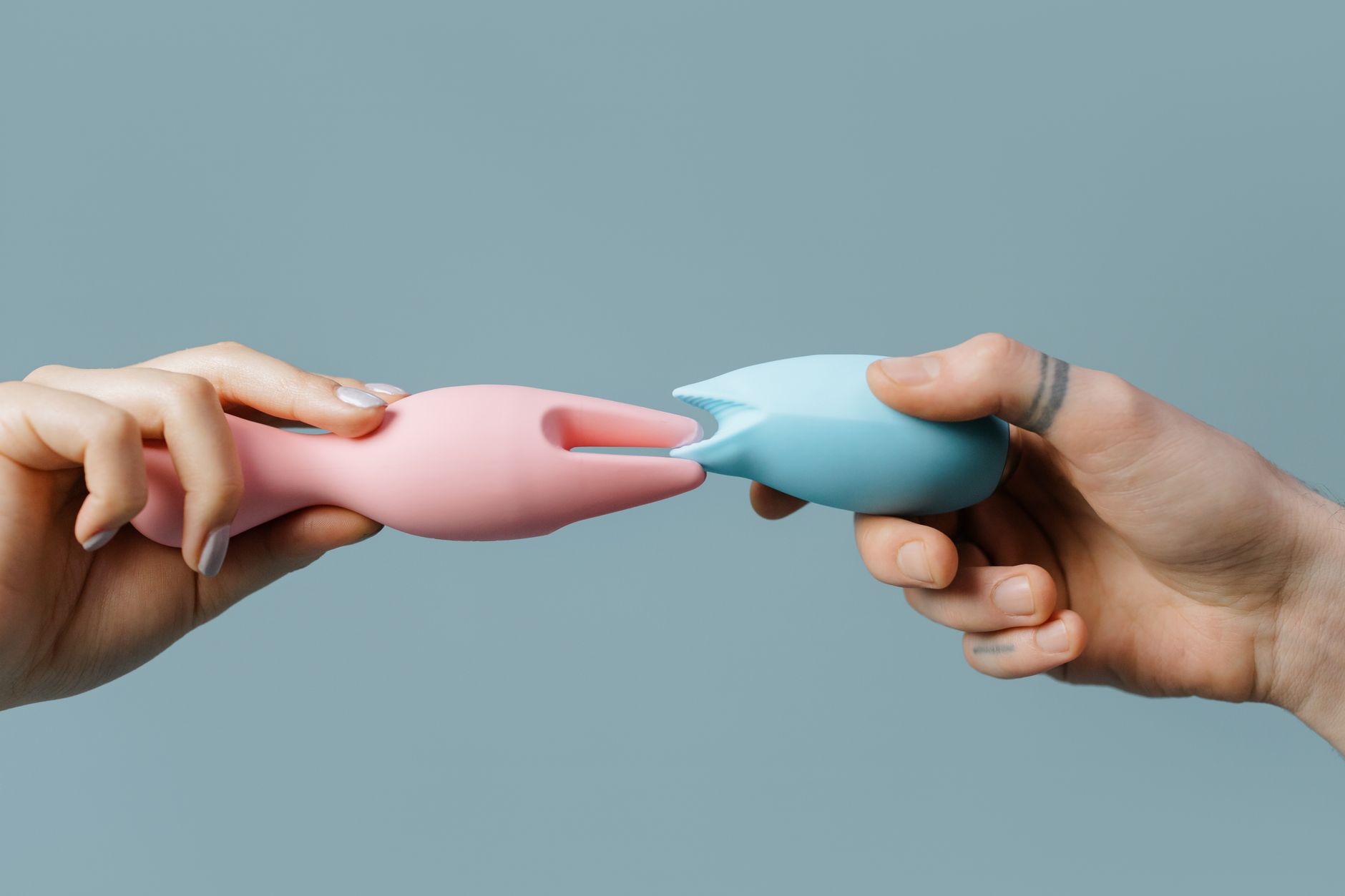
Suction vibrators like the Lemon work through a different mechanism entirely. They create a pulsing vacuum seal around the clitoris. This draws blood into the tissue, stimulates deeper nerve clusters, and creates a sensation that feels completely different from vibration. The genius part: suction stimulates nerves without requiring the same amount of raw electrical power. You get more sensation at lower intensity levels.
When birth control has muted your response, this matters. You're not fighting against suppressed sensation with brute force. You're using a tool designed to wake up the neural pathways your hormones are trying to sleep.
The timing thing nobody talks about
Birth control flattens your hormonal cycle. Your estrogen and testosterone don't spike and dip. They just sit, flat. This means you lose the natural windows of heightened arousal that non-hormonal people experience midcycle.
But within that flatness, there's still a rhythm. Most hormonal contraceptives have slightly higher hormone doses in the first week of the pill pack (or first few days post-insertion for IUDs and implants). Arousal is slightly easier then. The last week of the cycle is often the flattest.
If you're struggling to feel anything, try shifting your solo exploration to days 1-7 of your cycle or immediately after getting your method inserted (after any soreness clears). You'll have a clearer sense of whether the numbness is truly the birth control, or whether it's just the worst timing within your cycle.
Start lower, go slower
This is the biggest adjustment most people miss. Because your sensation is already muted, the temptation is to start at intensity level 4 or 5 on your lemon vibrator. Resist it.
Begin at level 1. Seriously. Spend 3-5 minutes there. Your clitoris needs to wake up gradually. When you've been on birth control for a while, the nerve endings aren't dormant. They're just less responsive. Gradual stimulation teaches them to respond again.
Move to level 2 after 5 minutes. Then level 3. This whole progression takes 15-20 minutes. It sounds tedious. It's actually the opposite. Because you're giving your body time to build arousal the way it's designed to, when orgasm comes, it's typically deeper and more satisfying than if you'd just jumped to level 4 and bulldozed your way through.
The arousal gap is real (and fixable)
Birth control extends the time between initial stimulation and orgasm. Clinical studies show the average adds 4-8 minutes. Some people experience much longer gaps. This isn't a problem with you. It's a predictable side effect of hormonal contraception.
The fix isn't to push harder. It's to accept the gap and work with it. Plan 25-30 minutes for solo exploration instead of 10. Light stretching, a warm shower, or even just sitting with your own thoughts for 5 minutes beforehand can help prime your nervous system. Arousal isn't just mechanical. It's also mental. Birth control suppresses both. Give yourself space for both to build.
When lube becomes essential (not optional)
Some hormonal methods cause vaginal dryness. Not everyone, but enough people that it's worth mentioning. If you notice that your vulva feels less lubricated than it used to, water-based lubricant stops being optional. It becomes infrastructure.
This matters for lemon vibrators specifically because the suction mechanism works best when there's adequate lubrication. A fully dry vulva can make the seal feel uncomfortable or make your skin pull awkwardly. A light coat of lube changes everything.
Use it even if you think you don't need it yet. Prevention is easier than problem-solving mid-session.
Partner sex changes (and that's okay)
If you're in a relationship, birth control's effect on your arousal will show up during partnered sex too. You might need more foreplay. Your orgasm might take longer to arrive. Some people find that certain positions feel less stimulating than they used to.
None of this means the relationship is broken. It means your body is operating under different neurochemical conditions, and you both need to adjust. Talk about it before you're in the moment. Something like: "My birth control makes my body take longer to warm up. That's not about you, and I still want this. I just need more time beforehand."
That conversation often makes partnered sex better, not worse. Because it gives both of you permission to slow down and pay attention instead of running the same script that used to work.
The switching question (switching methods, switching vibrators)
If you've been on the same birth control for years and your orgasm problems are new, it's worth asking whether it's the birth control or something else. Stress, relationship changes, medication interactions, or just getting older can suppress arousal too.
If you're considering switching birth control methods to get your arousal back, that's a legitimate question to ask your doctor. Progestin-only methods (the mini-pill, some IUDs) sometimes have fewer arousal side effects than combined hormonal methods. But switching also carries other trade-offs. Talk through the full picture with your provider before making the change.
For vibrators, the switch is lower-stakes. If you're already invested in traditional vibrators and they're not working, trying a lemon vibrator is a reasonable next step. It's a different mechanism, different intensity curve, different sensation entirely. For people on birth control specifically, the switch often feels revelatory.
FAQ: Birth Control and Orgasms
Does every hormonal birth control kill orgasms equally?
No. The progestin type, dosage, and delivery method all matter. IUDs with lower systemic hormone levels (like some copper or progestin IUDs) often have fewer orgasm side effects than daily pills. Combined pills suppress arousal more than progestin-only pills in many people. Your specific method and your body's specific response are unique. If side effects are severe, ask your provider about alternatives within the same method type.
Can lemon vibrators actually help if birth control numbed my clitoris?
Yes. Suction stimulation works on a different neural pathway than vibration. It also draws blood into the tissue, which can help rewaken sensation that's been suppressed. You won't feel the difference immediately, but consistent use over 2-3 weeks often brings noticeable improvement in your baseline sensitivity.
How long does it take for arousal to improve after I start using a lemon vibrator?
Most people notice subtle shifts within 3-5 solo sessions. Bigger changes typically show up after 2-3 weeks of regular use. Your clitoris is learning to respond again. That learning curve doesn't happen in one session. It's cumulative. Consistency matters more than intensity.
Is it normal that my orgasms feel different on birth control, even with a lemon vibrator?
Completely normal. Orgasms on hormonal contraception often feel shallower, less full-body, or more localized than they did before. This usually improves as you adapt to the suction pattern and as your baseline arousal improves. If it persists after several weeks, it's worth mentioning to your doctor. Sometimes a small adjustment to your method makes a significant difference.
Should I use lube with my lemon vibrator if I'm already naturally lubricated?
You can. The seal will feel slightly different (smoother, less drag), and you might feel more sensation without unnecessary friction. Some people prefer it, some don't. Try both and go with what feels better. There's no "should" here.
What if I've switched lemon vibrators and I'm still not feeling much?
First, give it time. If you're only a few sessions in, your body is still learning. Second, check your levels. Are you starting at level 1 and building gradually, or jumping to higher intensities? Third, consider the arousal gap. If you're expecting orgasm to happen in 5 minutes on birth control, you're setting yourself up for disappointment. Budget 20-30 minutes and actually enjoy the journey. If you've done all this for 3-4 weeks and still nothing, reach out to our team at /contact. Sometimes it's a tool fit issue or a method fit issue, and a second set of eyes helps.
The takeaway
Birth control is a reasonable choice for many people. The orgasm side effects are real, but they're not permanent and they're not your fault. Lemon vibrators work because they leverage a different stimulation mechanism than the traditional vibrators you might have tried before. Start low, go slow, budget time, use lube when you need it, and give your body space to adjust. Most people find their groove again within a few weeks. You will too.