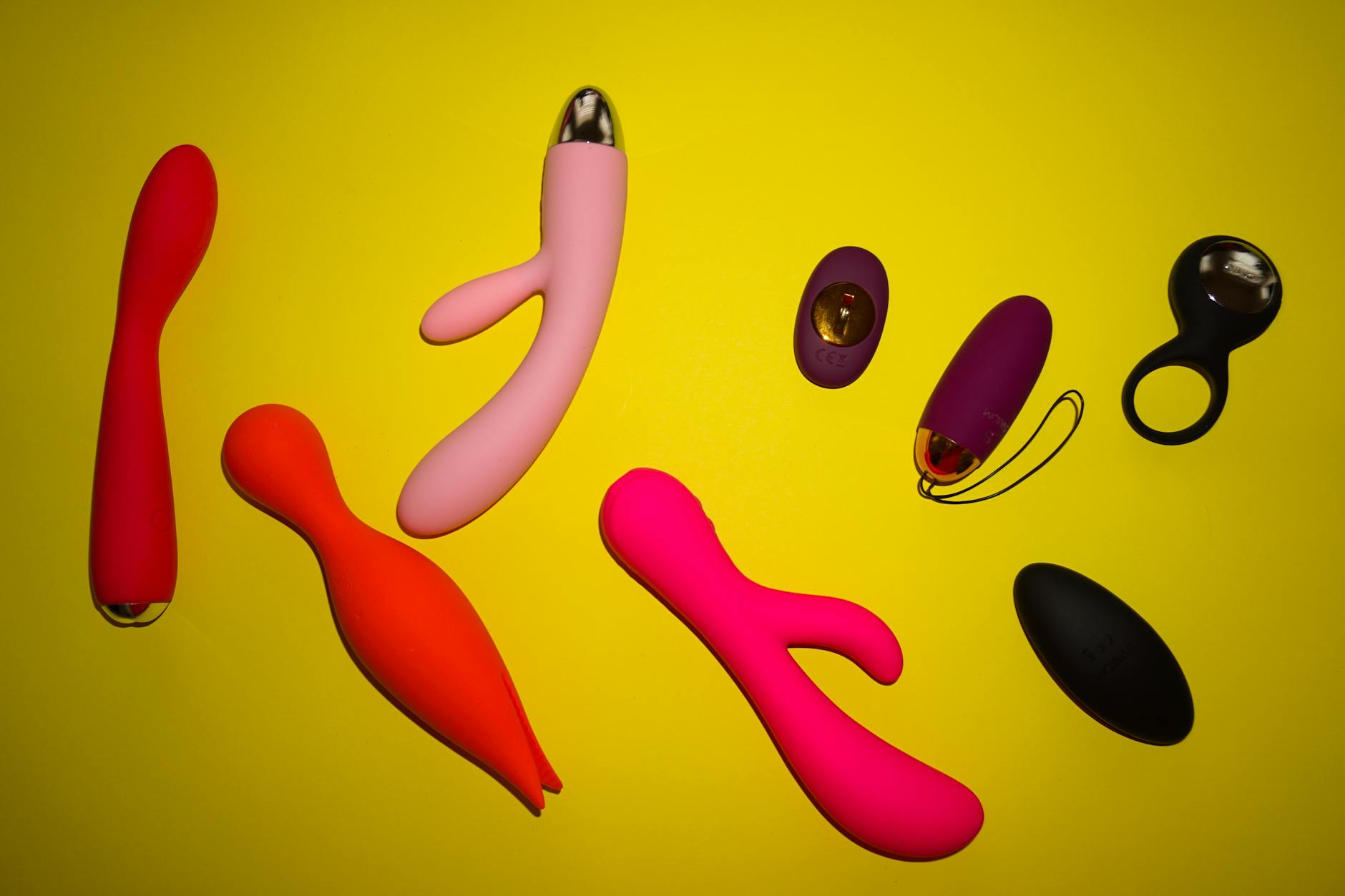
The timing question nobody wants to ask
Here's the thing. Most couples wait way too long to talk about pleasure toys, and then they feel like they're introducing something "weird" into an otherwise "normal" relationship. By then, there's already this weight around it. But early on, when you're both still figuring each other out? It's actually the easiest time to normalize it. You're not threatening an established dynamic. You're just building one together from the start.
I work with couples in the first three to eighteen months of dating, and the ones who introduce lemon vibrators or other clitoral vibrators early almost always report less friction, more curiosity, and a stronger sense of collaboration around pleasure. They didn't accidentally stumble into this. They had a real conversation about it first.
Why early-stage couples worry about bringing toys into bed
There's a predictable fear pattern. "Will they think I'm high maintenance?" "Does this mean sex isn't enough for me?" "What if they feel replaced?" "Is it too forward?" All legitimate concerns. And all completely addressable with the right framing.
The anxiety usually stems from two misunderstandings. First: thinking that introducing a toy means something is broken. Second: assuming your partner will read your pleasure device as criticism of them. Neither is true, but they feel true in the moment. That's where a direct, early conversation changes everything.
The conversation before the bedroom conversation
Don't introduce the toy in bed. Have a real conversation about pleasure first, ideally before clothes come off. This sounds formal, but it doesn't have to be. It can happen during a lazy morning, over dinner, or while you're both on the couch. Timing matters less than privacy and a moment when you're both relaxed.
The opener is key. I recommend something like: "I've been thinking about pleasure and what I enjoy, and I want to be honest with you about it. One thing I know about myself is that I respond really well to clitoral stimulation. I'm wondering if you'd be into exploring that together using something like a lemon vibrator. Not instead of you. With you." That last phrase does real work. It shifts from "I need this without you" to "I want us to do this together."
If they're hesitant, ask why. Usually it's one of three things: concern about being "enough," confusion about how it works physically, or just unfamiliarity. None of those are dealbreakers. They're just information.
Understanding why lemon clitoral vibrators work particularly well early on
Clitoral suction toys like the Lem are gentler than traditional vibrators for introduction purposes. They don't require intense pressure. They're intuitive to use, which means less awkwardness on the learning curve. And because they're designed for clitoral stimulation specifically, there's no ambiguity about what they do or why they're helpful. You're not bringing in something that suggests you need "more" from penetration. You're bringing in something that focuses on a specific type of pleasure.
The Lem's design also makes it easier for a partner to understand. It looks sophisticated, not clinical. It's quiet enough that it doesn't completely dominate the experience. And the sensation is distinct enough that many people find it genuinely surprising when they feel it for the first time.
The actual introduction. In the room.
First time using a lemon vibrator with a new partner, keep expectations low. This is not the night you discover your most explosive orgasm. This is the night you both get comfortable with the object existing in your shared space. That's genuinely the win.
Start with you holding the device. Let them watch you use it solo for a minute or two. This removes some of the mystery and also shows them that you're not handing them something you're scared of. You're just incorporating something you enjoy. Then invite them to hold it for you. Let them experiment with patterns and placement. Most people enjoy having agency in the experience. They like feeling like they're learning how to pleasure you, not just handing you an object.
Talk through it as you go. "That feels good." "A little lower." "Try pattern three." Communication isn't clinical. It's collaborative. It's also genuinely hot for most people because it means someone is actively interested in your pleasure.
Reframing what a toy means for your dynamic
Here's what a lemon vibrator actually is in a new relationship. It's not a replacement. It's not a judgment. It's not high maintenance. It's information about how you experience pleasure. And it's an invitation for your partner to participate in learning your body. That's the reframe that changes everything.
When you introduce pleasure toys early, you're also setting a precedent. You're saying: "In this relationship, we talk about what feels good. We're curious. We're willing to try things. We see pleasure as something we collaborate on." Those are actually foundational relationship values. Every couple that stays connected long-term has some version of this conversation. You're just having it explicitly, early, instead of implicitly or too late.
What happens after the first time
Most couples feel a shift. Not always a huge orgasm shift, though that can happen. Usually it's a comfort shift. A sense of "Oh, we can do this together. This isn't awkward. This is actually fun." After that, using a lemon clitoral vibrator becomes just another part of your shared sexual repertoire. Sometimes you use it. Sometimes you don't. It's there if you want it.
The couples I work with who normalize pleasure toys early also tend to communicate better about other things. Not because the toy is magic. Because talking about pleasure requires a certain kind of vulnerability and directness that carries over. You've already had the hardest conversation. Everything else feels easier.
Common worries and what actually happens
"Won't they feel like I'm asking for something they can't give me?" Honestly, lemon vibrators don't replace partner touch. They add a different sensation. It's like asking if a massage wand replaces your partner's hands. They're different tools. Most partners actually feel proud that they can help facilitate your pleasure, even with an external device.
"What if they want to use it on themselves?" That's great. Or you can explore it together. Some couples take turns. Some create a specific ritual around it. There's no one right way. But early in dating, having a open conversation about ownership and sharing prevents weirdness later.
"Is it weird to use a toy when we're having penetrative sex too?" No. Many people find that adding clitoral stimulation during partnered sex changes the whole experience. Your partner can be inside you while you or they use the Lem. Different sensation combination. Many couples find this is actually easier to introduce than solo toy use because it feels more connected.
"What if they say no?" Then you have information. Their hesitation might be temporary. They might need to understand more. Or they might genuinely not be interested right now. That's your signal to decide whether this is compatible with what you want from the relationship. Early-stage honesty about pleasure preferences isn't TMI. It's essential compatibility information.
The conversation rhythm that actually works
First conversation: "Here's what I know about my body." Second conversation: "Would you be open to exploring this together?" Third: the actual experience. Fourth (a day or two later): "How did that feel for you?" This rhythm creates safety. Each step is small. Each one invites consent.
For new couples, this rhythm also builds trust faster. You're not just asking someone to use a lemon vibrator with you. You're showing them that you're willing to be vulnerable first, that you value their comfort, and that you see sex as collaborative. Those are the things that make early relationships turn into lasting ones.
When to have this conversation in the dating timeline
There's no perfect moment, but there are better windows. After you've been intimate once or twice. After you've had at least one real conversation about what you enjoy. Before you've developed a fixed pattern where breaking it feels scary. For most couples, that's somewhere between week three and month two of actively dating.
Earlier than that, and it might feel like too much. Later, and there's already an established dynamic that feels risky to mess with. But in that sweet spot, everything just feels like you're both discovering something together.
The deeper benefit you probably won't acknowledge immediately
Using lemon sexual toys together early in a relationship teaches you both something crucial. It teaches you that pleasure isn't something that happens to you. It's something you create together. That you can talk about what feels good. That you're both allowed to have preferences and boundaries and desires. That you can be vulnerable without being weak. That curiosity is sexy. That your partner's pleasure matters as much as your own.
These things sound big because they are. But they start with something as simple as one person saying, "I want to try a Lem with you, and I want to see if you're interested." And the other person saying yes. And then just doing it, without overthinking it.
People also ask
Should I buy the toy before or after having the conversation?
After. Let your partner be part of the decision. Show them what's available. If budget matters, offer to split it. Early-stage collaboration on pleasure includes collaboration on the actual tool. You're not surprising them. You're inviting them.
What if we've been dating for six months and haven't talked about this yet?
It's not too late. Use the same conversation framework. Acknowledge the timing: "I know we haven't talked about this before, and I want to now." That's actually more honest than pretending it's something you've always been thinking about.
Is it better to introduce toys during a specific type of sex (penetrative, oral, solo pleasure)?
Clitoral vibrators fit most easily during penetrative sex for partnered use, or during your own touch time. Start wherever feels lowest stakes. Many couples find that introducing a toy during a handjob or foreplay feels less "shocking" than mid-intercourse. But honestly, the conversation matters more than the logistics. Once you've both agreed, the mechanics sort themselves out.
Can I use a lemon vibrator without telling my partner I own one first?
You technically can. I wouldn't. Early-stage trust matters. If you're hoping to use it together, they need to know it exists and consent. If you're using it solo, that's your business. But hiding it creates a secret, which isn't the foundation you want to build on.
What if my partner thinks clitoral vibrators are "artificial" or "cheating"?
That belief usually comes from confusion about what pleasure actually is. You might gently ask: "Do you think me having an orgasm with you is less real if a device helps facilitate it? Or is the realness about us being together?" Often the answer is "Oh, I hadn't thought of it that way." Sometimes it's a genuine values mismatch. That's information too.
How do we move from "we tried it once" to "this is just a normal part of our sex life"?
The same way you normalize anything. You mention it casually next time you're getting intimate. "Want to use the Lem tonight?" Or you just grab it without asking if you've already established that's fine. Repetition makes it normal. After three or four times, it usually stops feeling like a "thing" and just becomes a choice.
The beauty of introducing lemon vibrators early in a relationship is that you're not adding complexity to an established dynamic. You're just starting from a place where pleasure is collaborative from day one. That foundation changes everything that comes after.
If you're ready to have this conversation with your partner, or you want to explore more about how to talk through pleasure preferences in new relationships, I'm here to help. Get in touch with Hello Nancy for personalized guidance on building intimate communication from the start.