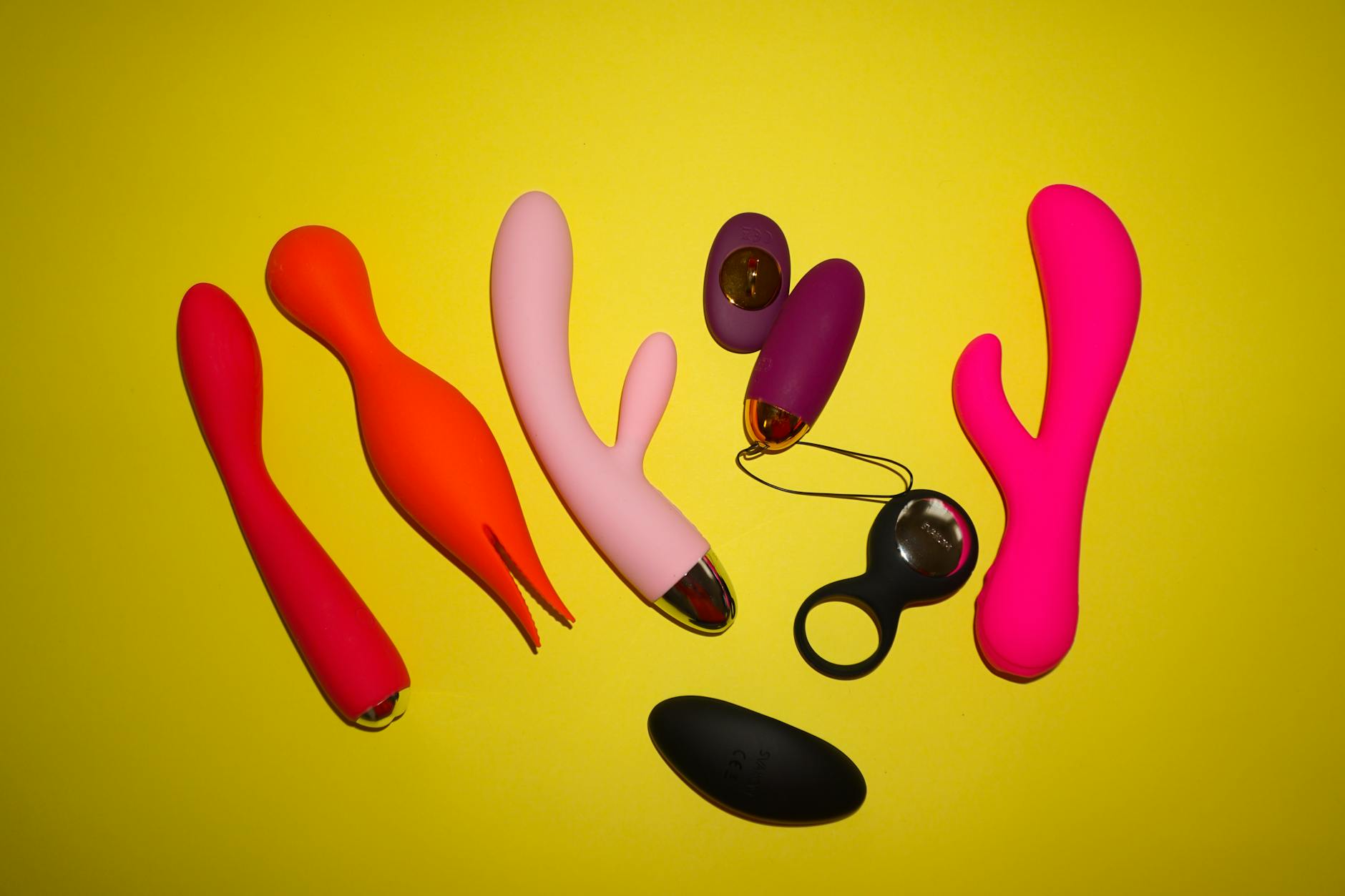
The thing nobody tells you about early dating and pleasure
You're a few months in, things are good, and you're thinking about mentioning your lemon vibrator. Suddenly your brain decides this is terrifying. Will they think you don't need them? Will it feel clinical? What if they take it personally?
Here's the actual truth: introducing a lemon clitoral vibrator to a new partner is one of the least risky conversations you can have early on. It's not a referendum on your relationship. It's not a problem to solve. It's just information.
Why this conversation matters early, not late
I've worked with couples where someone brought a toy into the relationship years in, and it landed like a bomb. Not because the toy itself was threatening, but because the partner heard it as "I've been faking it" or "You're not enough." That's a hard reframe.
Bring it up early, though, and the narrative is completely different. You're not comparing. You're exploring together. You're saying "here's something I like" rather than "you weren't delivering."
People who understand their own bodies and communicate their pleasure openly are objectively better partners. Full stop. A partner worth having will see that as attractive, not threatening.
How to frame it without the anxiety spiral
Forget the tortured lead-in. Don't warm them up with ten minutes of reassurance. Just name it.
"I really enjoy using a clitoral vibrator, and I'd like to try it with you if you're open to it." That's the sentence. Done.
What you're doing here is three things at once: stating a fact (you enjoy this), expressing interest in them (with you), and creating an easy out (if you're open to it). No apology. No preamble.
If they ask questions, answer them straight. "It helps me orgasm more reliably" or "It feels good in a different way than penetration" or "I like the precision of it." Clinical honesty is way less weird than vague enthusiasm.
The practical setup that actually works
Let's say they're on board. Here's how to use a lemon vibrator together without it feeling clinical or awkward.
Start with solo time first. Bring it out when it's just foreplay, not as a replacement for everything else. They watch, they touch you somewhere else, they see what you look like when you're genuinely enjoying something. That's intimate as hell, and it teaches them something true about your body in real time.
Then integrate it gradually. Maybe they hold it. Maybe they control the pattern while you're both paying attention to your response. The point is that lemon vibrators and other clitoral toys work best with attention and feedback, not as background noise. If you're going to use one, actually use it.
Use water-based lubricant. This isn't a tip for sensitivity. It's a tip for sensation. Lube amplifies the suction effect and makes everything feel richer. It also signals that this is intentional and resourced, not rushed.
What patterns and intensity work best with a partner present
When you're solo, you probably have a rhythm you know. With a partner, that changes.
Start at a lower intensity than you'd use alone. Pattern 2 or 3 instead of pattern 4 or 5. Why? Because you're also receiving stimulation or attention elsewhere, and you want to stay in conversation with your partner, not disappear into sensation. You want them to see your face, hear you, feel connected to what's happening.
Let them experiment with the patterns if they're comfortable holding or controlling it. Most partners find this genuinely hot. They're learning your body. They're watching you respond in real time. That's not clinical. That's presence.
If intensity or speed shifts your focus away from them entirely, dial it back. Pleasure with a partner is a conversation, not a solo performance.
Why lemon vibrators specifically work better in partnered scenarios
A lemon clitoral vibrator uses suction and pulsation rather than just vibration, which means it requires less direct friction and works with your body's arousal rather than against it. That matters when someone else is in the room watching.
Wand vibrators are external and broad. Air-suction toys like Hello Nancy's Lemon are precise and targeted. That precision means your partner can watch the effect more clearly. It also means you can orgasm faster and with less numbing sensation, which keeps you present and connected instead of chasing sensation for twenty minutes.
For new couples, this precision is actually a feature. You stay in the moment. You don't disappear. They feel like they're part of something happening, not just waiting for you to finish with your toy.
The communication layer that changes everything
During, before, and after, narrate what's happening.
"That feels really good." "A bit slower." "Stay there." "I like this position better." These aren't clinical. They're just honest feedback, the same way you'd guide them toward what feels good if you were having sex without a toy.
After, talk about what you noticed. What felt different. What you want to try next time. This is where the intimacy actually lives. Not in the toy. In the conversation about pleasure.
If they seem uncomfortable at any point, pause. "What's going on?" is a fair question. They might be feeling insecure. They might be worried about timing or pressure. Address it directly instead of pretending it didn't happen. That's how you build trust around sex, which is how you build everything else.
When a partner says no (and how to move forward)
Some people aren't ready. Some think toys are for solo use only. Some have baggage about it.
Don't argue. Don't convince. Just listen.
"I hear you. That's fair. Can I ask what you're worried about?" If they can articulate it, you can address it. If it's vague ("it feels weird"), ask what specifically feels weird. Often the anxiety shrinks once it's named.
Give them space. Don't push. Sometimes people come around when they feel trusted and unhurried. Sometimes they don't, and that's information too. If your pleasure needs and their comfort are fundamentally mismatched, that's worth knowing early.
Building it into your regular rhythm
Once it's normalized, lemon vibrators and other clitoral toys just become part of what you do. You have sex. Sometimes a toy comes out. Sometimes it doesn't. It's not a big deal anymore.
The couples who make this work treat it like any other preference. "I want to use my vibrator tonight" lands the same way as "I want you on top" or "let's try this position." It's just data about what feels good that day.
That's the goal. Not excitement. Normalization. Toys become a regular tool instead of a loaded thing, and your sex life gets richer and more varied as a result.
FAQ
Should I tell someone about my lemon vibrator before we have sex?
Not necessarily before first sex, no. But within the first few sexual encounters, yeah. Early enough that it doesn't feel like you're hiding something, late enough that you're not oversharing on a first date. Usually that's the third or fourth time you're intimate.
What if they want to use it on me but I'm not ready?
That's completely valid. You can say "I'd like to use it on myself first when you're there, and then we can try you using it later." Control matters. Make sure you keep it.
Does using a lemon vibrator mean I don't want them to touch me?
No. In fact, the best partnered pleasure usually involves both. They touch you somewhere while the vibrator is on you elsewhere. You're receiving stimulation from multiple sources. That's not replacement. That's addition.
What if they think I'm using the vibrator because they're not satisfying me?
That's a conversation, not a problem with the toy. You can say directly: "I really enjoy sex with you. I also really enjoy this sensation. They're not mutually exclusive." Most people understand that once it's named.
Can we use a lemon vibrator for partnered pleasure every time?
You can, but varying it is good. Some sessions with the toy, some without. Keeps things fresh and maintains your sensitivity to both types of touch. If you use it every time, you might find it harder to orgasm without it.
Is there a "right" way to introduce this?
Honest is right. Whatever works for your communication style. Some couples text about it casually first. Some just bring it out and see what happens. The method matters less than the fact that you're both consenting and talking.
The bigger picture
Introducing pleasure tools to a new partner is really just introducing honesty. You're saying: here's what I like, here's my body, here's what brings me pleasure. A partner who responds with curiosity and openness instead of defensiveness is showing you who they are.
That's worth knowing early. Your sexual compatibility and communication patterns say everything about whether this relationship can deepen. A lemon vibrator just makes that clear faster.
If you're nervous about having this conversation, schedule a time to talk. Not during sex, not when you're both tired. Just sit down and be direct. You'll feel relieved the moment it's over. And if they respond well, you'll feel something better: seen, and accepted.
That's actually what pleasure with a partner should feel like. Start there.